


The answer
Eugene offers a smaller-city setting in the southern Willamette Valley, with the University of Oregon, river paths, and access to the coast and Cascades. Whether the move saves you money depends on the California community you are leaving, the home you choose here, and your full household budget.
Work out the move before choosing the house
| Your situation | Useful first step | What to resolve before an offer |
|---|---|---|
| Selling a California home to fund the purchase | Estimate net proceeds after the mortgage payoff and selling costs | When those funds will be available |
| Keeping your current employer | Confirm the Oregon work arrangement | Compensation, payroll, and any office-travel requirement |
| Starting a new job | Share the employment terms with your lender | Which income documentation the loan requires |
| Buying before you sell | Review qualification and cash reserves | Whether you can carry both properties if the sale takes longer |
| Still deciding where to live | Compare a few locations through ordinary daily trips | Whether renting first would make the decision easier |
Your California equity can create options, but the useful number is what remains after the sale and the reserves you want to keep. A purchase budget should leave room for moving, inspections, initial repairs, and the costs of owning the Oregon property.
Compare the full cost of living
Start with a realistic housing payment, including property taxes, insurance, and any association dues. Add utilities, maintenance, commuting, and return trips to California. If the move changes your income, use that income in the comparison rather than your current paycheck.
Our cost of living in Eugene guide is a starting point. For the house itself, compare current Eugene listings with recent comparable sales, condition, lot characteristics, and location. A citywide headline cannot tell you what a particular home should cost.
Oregon has no general sales tax, but it does tax personal income. Ask a tax professional how the move date, a home sale, investment income, and any continuing California work affect your situation. Oregon's personal income tax guidance explains the distinction between residents, part-year residents, and nonresidents.
Review the Oregon property's actual tax record
California's property-tax assumptions should not stand in for a review of the Oregon parcel. Look at its assessed value, recent tax statements, and any improvements or special assessments.
Under Oregon's system, maximum assessed value generally has a 3% annual growth limit, with exceptions such as new construction. That is not a guarantee that a property's tax bill can rise by only 3%. The Oregon Department of Revenue explains the assessment system.
Use our Eugene property-tax guide to prepare questions, then confirm the property's details with the assessor and your advisers.
Choose neighborhoods around your routine
Begin with where you will work and the trips you make several times a week. A home that looks close on a regional map may involve a different route, slope, or parking arrangement than you expect.
If you are considering both Cal Young and the South Hills, our neighborhood comparison explains the differences to investigate. For acreage or a more rural setting, look separately at Coburg Hills homes. Larger parcels introduce questions about utilities, access, upkeep, and permitted uses.
Give every neighborhood the same practical review: housing condition, commute, services, outdoor space, and the kind of maintenance you want. If school assignment matters to the move, confirm the specific address and enrollment requirements with the district.
Plan a visit that helps you decide
Tour a manageable group of homes in two or three areas. Leave time to walk around, buy groceries, and try the trip to work. Revisit the strongest candidates at another time of day if your schedule allows.
For someone accustomed to a drier part of California, Eugene's wetter season is also worth experiencing. Our Eugene rain guide explains the seasonal pattern. At individual homes, pay attention to drainage, roof condition, outdoor access, and the amount of daylight inside.
If you are still choosing a city, use the Eugene versus Portland comparison before narrowing the search to addresses. If you are ready to organize the move, start with the broader moving to Eugene guide.
Coordinate the sale, purchase, and possession dates
A California closing and an Oregon closing are separate transactions. Have your agents, lender, and escrow teams identify the important deadlines, when sale proceeds can be used, and when you actually receive possession.
Choose a lender based on the loan terms, communication, authorization to handle the transaction, and ability to meet the schedule. A lender's office location alone does not establish whether it is the right fit.
If the dates leave a gap, compare temporary housing and storage with the cost and risk of overlapping ownership. Employer-supported moves may also involve program requirements; see our corporate relocation guide.
Plan your California-to-Eugene move
Tell Team Burke where you are moving from, your target date, budget, and whether a sale is part of the plan. Jon Burke and Shawna Locken can help you organize the local home search around those details.
Start a relocation conversation or read about our Eugene relocation services.
Explore properties for sale
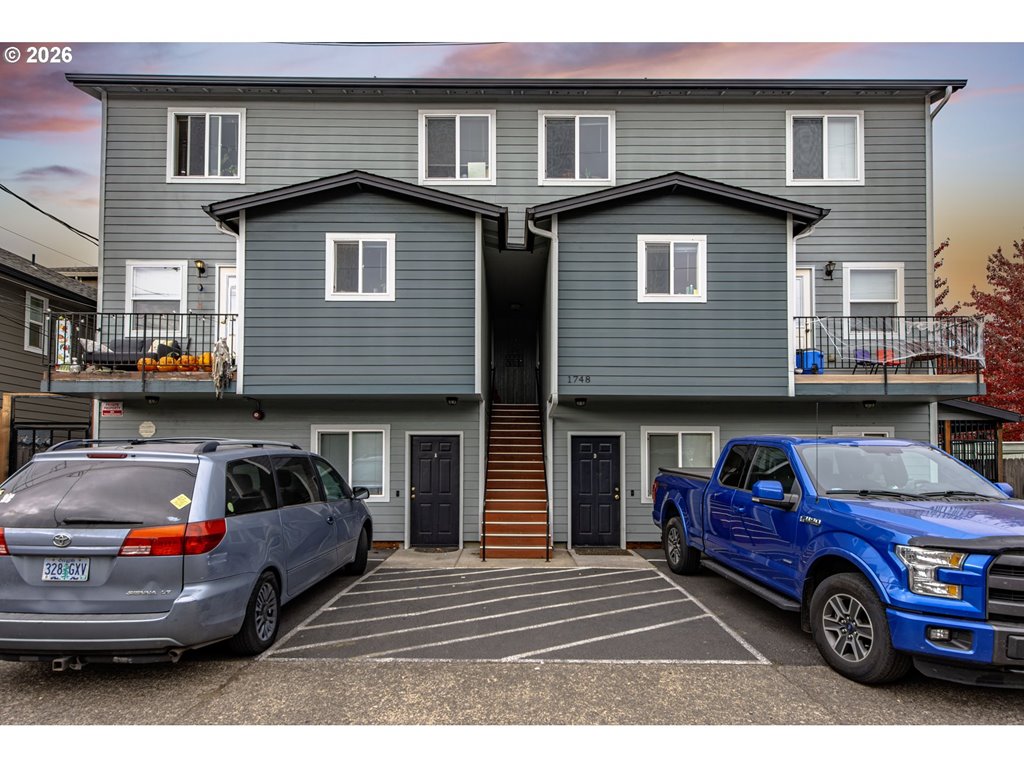

1748 Ferry Aly
Eugene, OR 97401
$1,250,000
Beds — · 4,192 sf · Eugene
Courtesy of Teri Dibos, Keller Williams Realty Eugene and Springfield · 541-606-1493 · RMLS · Nov 4, 2026, 4:19 AM
Listed by
Teri Dibos
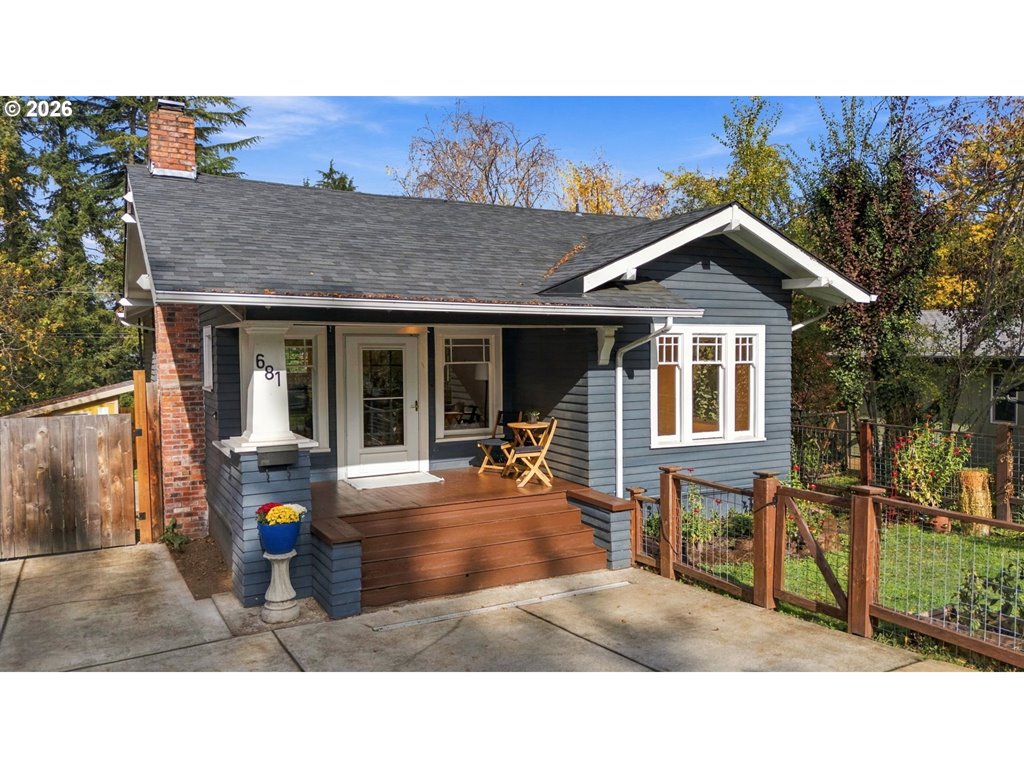
681 W 28th Ave
Eugene, OR 97405
$585,000
3 bd · 2.0 ba · 1,654 sf · Eugene
Courtesy of Mary Reilly and Brian Cannon, Windermere RE Lane County · 541-912-4140 · RMLS · Nov 4, 2026, 4:19 AM
Listed by
Mary Reilly and Brian Cannon
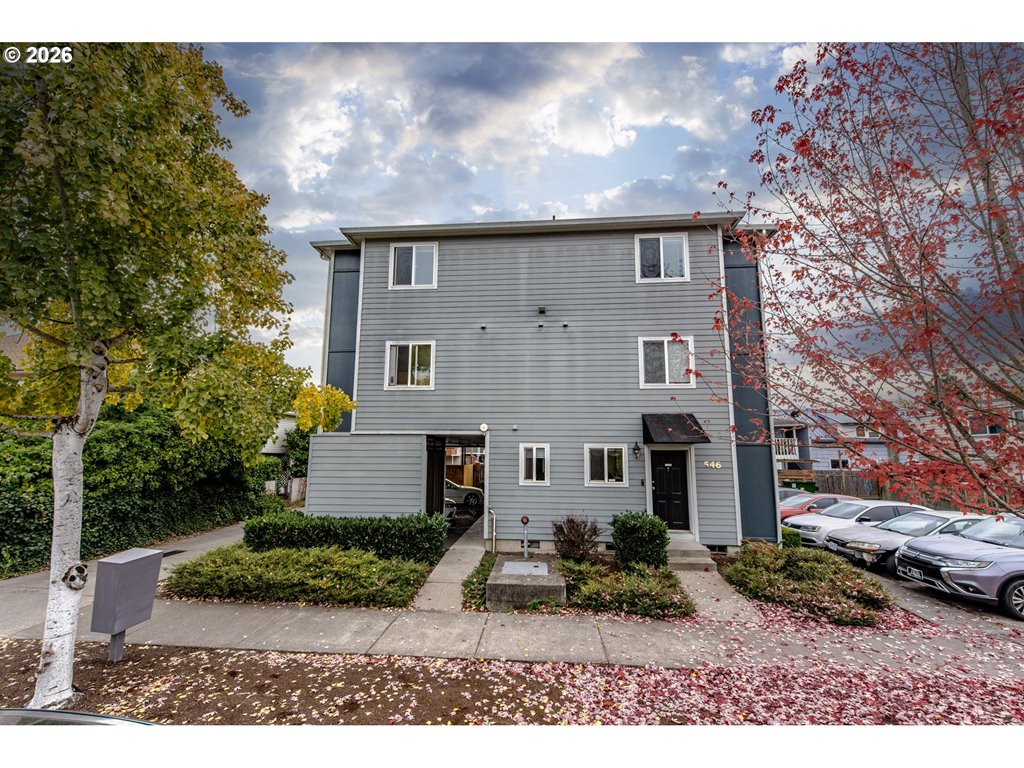
546 E 16th Ave
Eugene, OR 97401
$1,300,000
Beds — · 4,840 sf · Eugene
Courtesy of Teri Dibos, Keller Williams Realty Eugene and Springfield · 541-606-1493 · RMLS · Nov 4, 2026, 4:14 AM
Listed by
Teri Dibos
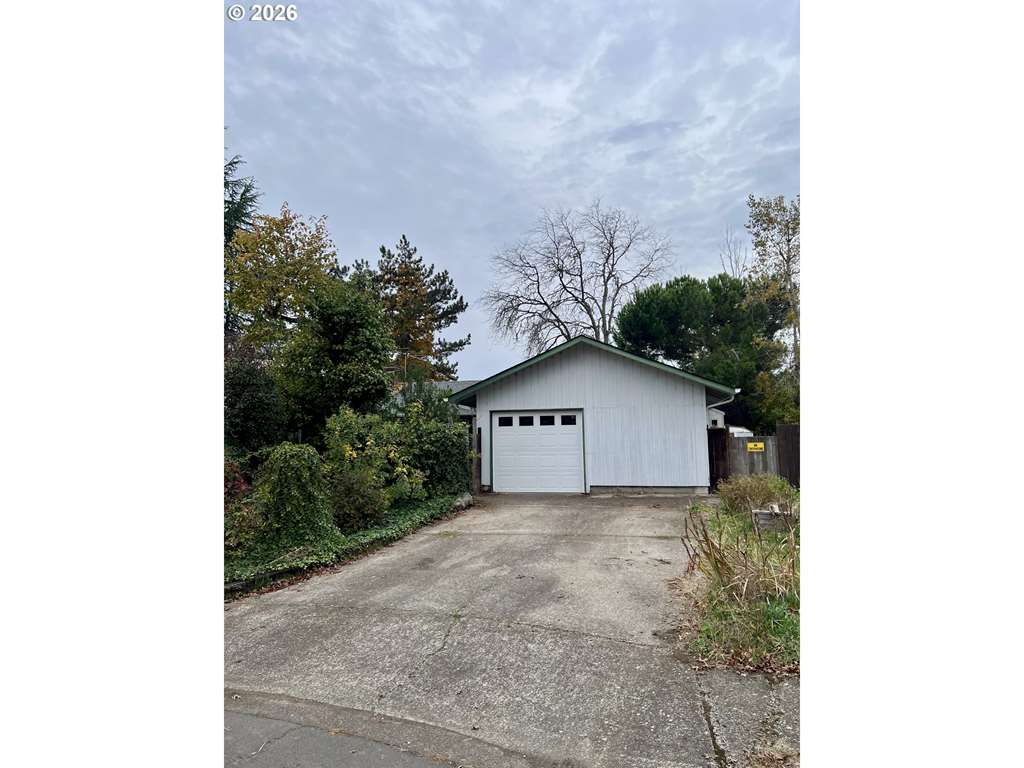
3796 Peppertree Dr
Eugene, OR 97402
$225,000
3 bd · 1.1 ba · 960 sf · Eugene
Courtesy of Casey Highstrom, Hybrid Real Estate · 541-343-0322 · RMLS · Nov 4, 2026, 3:27 AM
Listed by
Casey Highstrom
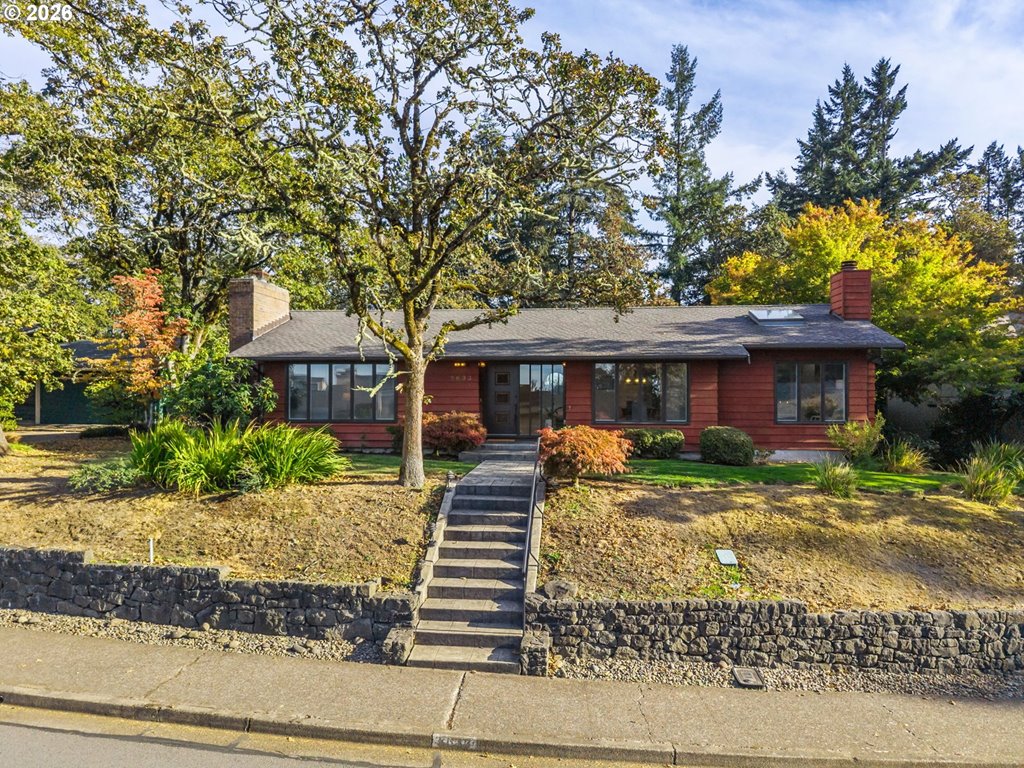
3633 Spring Blvd
Eugene, OR 97405
$765,000
4 bd · 2.0 ba · 2,632 sf · Eugene
Courtesy of Emilee Sievers, Hybrid Real Estate · 541-343-0322 · RMLS · Nov 4, 2026, 2:56 AM
Listed by
Emilee Sievers
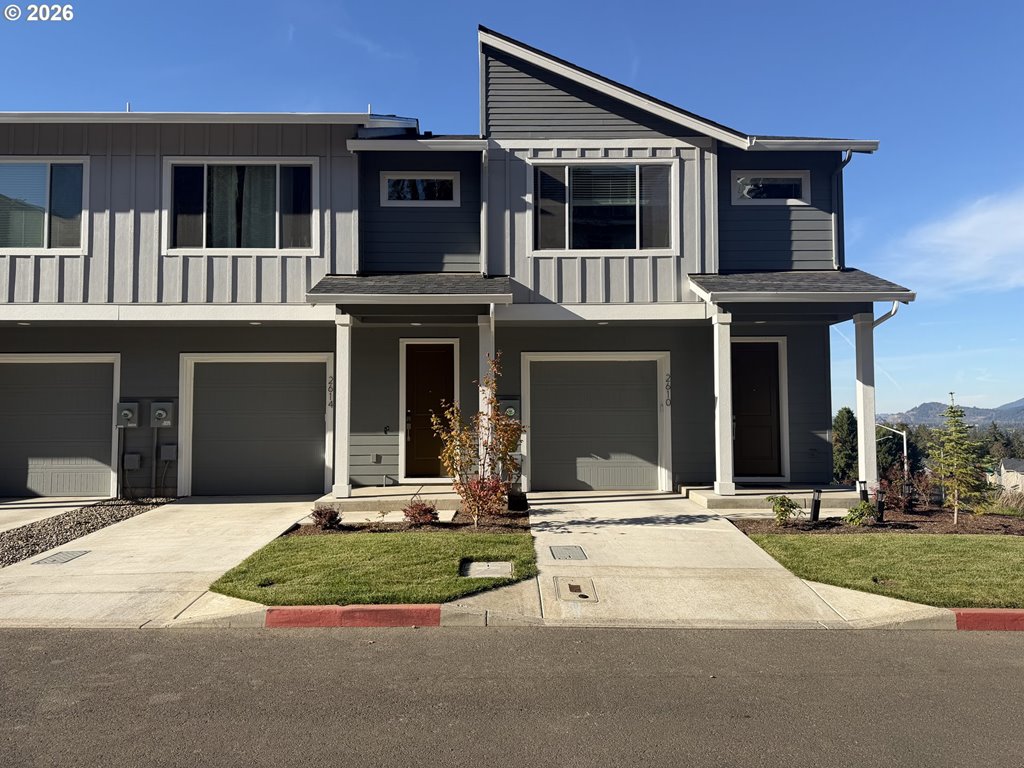
2610 Waterlily DR
Eugene, OR 97403
$445,000
3 bd · 2.1 ba · 1,520 sf · Eugene
Courtesy of DeAnna Jones, United Real Estate Properties · simon@urepro.com · RMLS · Nov 4, 2026, 2:53 AM
Listed by
DeAnna Jones
Questions about moving from California to Eugene
Is Eugene cheaper than California?+
It depends on where in California you live and what you plan to buy. Compare similar homes and the full monthly budget, including any income change. A lower purchase price does not automatically mean a lower total cost of living.
Should I sell my California home before buying in Eugene?+
Selling first makes the available proceeds clearer, but it may require temporary housing. Buying first can reduce the number of moves if you qualify and have enough reserves. Review both sequences with your lender and agents before committing to dates.
Will moving to Oregon lower my taxes?+
That requires an individual comparison. Oregon has no general sales tax, but personal income and property taxes still matter. The timing of residency, a home sale, and continuing work in California can affect the result.
Do I need a local Eugene mortgage lender?+
You need a lender who can handle an Oregon purchase, explain your options, and meet the transaction deadlines. Local experience can help, but an out-of-area lender is not automatically unsuitable. Compare the actual terms and service.
Should I rent in Eugene before buying?+
Renting can help if your work arrangement, preferred location, or long-term plans are unsettled. Buying may make sense when those questions are resolved and you have had time to evaluate the property. Consider the extra move and lease terms alongside that flexibility.