

The answer
An asking price and an acreage figure are only the beginning. A parcel can be attractive and still need substantial work, further approvals, or a different use than the one you had in mind.
Compare city lots and rural parcels
| Type of property | What to investigate | What can change the budget |
|---|---|---|
| Infill or city lot | Jurisdiction, permitted development, setbacks, access, and utility service | Site work, connections, fees, and design requirements |
| Parcel near the urban edge | Service boundaries and the approvals needed for the plan | Utility extensions and off-site work |
| Rural homesite | Legal parcel status, dwelling eligibility, water, wastewater, and access | Well, septic, road construction, power, and grading |
| Farm- or forest-zoned land | The applicable rules for the intended use | Required studies, restrictions, and whether a dwelling can be approved |
| Property with an existing residence | The home, permits, utilities, and usable land | Repairs and the feasibility of proposed changes |
For a home already on the property, start with Lane County acreage. For agricultural or equestrian goals, see farms and ranches.
Establish the jurisdiction and permitted use
Identify the parcel, the relevant city or county, zoning, and applicable overlays. A Eugene mailing address does not automatically mean the City of Eugene handles its land-use approvals.
For a county property, Lane County Land Use Planning and Zoning is a starting point. Ask what records establish the parcel's legal status, which approvals apply to your project, and whether previous approvals remain usable.
Farm and forest zoning require particular care. Oregon's farm and forest planning program addresses protections and development rules for those lands. A large parcel, a tax-lot number, or a neighboring house does not establish permission for your proposed residence.
Confirm a workable building site
Discuss the proposed location of the house, driveway, utilities, and wastewater system with the relevant professionals. Review slope, drainage, soils, setbacks, and any constraints affecting the area you want to use.
Flood and wetland information can help identify questions for further investigation. If wetlands or work near water may be involved, consult the Oregon Department of State Lands' wetlands and removal-fill guidance. An online map is a screening tool, not final project approval.
For a larger build, involve the designer or builder early enough to assess the site. The most appealing location for the house may not be the least expensive or easiest location to develop.
Verify utilities and wastewater before relying on a price
Ask utility providers whether service is available for the proposed use and obtain estimates for the actual connection. A line or pole near the property does not establish the connection cost or available capacity.
For a rural parcel, investigate the water source and what work is needed to establish service. Existing well records can help frame questions, but they are not a guarantee of future supply for your project.
If public sewer is unavailable, follow the applicable septic-review process. Lane County uses a site evaluation to evaluate conditions for a system. Discuss the proposed development, system location, required reserve area, and installation with the responsible office and contractors. Avoid treating a generic "perc test" claim as complete approval.
Review both legal and physical access
Have the title documents and any access easement reviewed for the use you intend. Establish who maintains a private or shared road and whether written agreements address the relevant responsibilities.
Then investigate the physical approach: width, grade, drainage, turning space, bridges, and access for construction and emergency vehicles. Include the cost of any required road work in the budget.
When comparing locations such as Creswell, Coburg Hills, or Thurston and east Springfield, test the daily trip as well as the construction access. A parcel has to fit both the project and the way you will live there.
Build a project budget and investigation timeline
Include the purchase, financing, design, studies, permits, utilities, site work, construction, and a contingency for unresolved costs. Our cost-to-build guide provides a framework, while property-specific estimates establish the real numbers.
Discuss the time needed for feasibility work and how the purchase agreement addresses access for testing, review deadlines, and unresolved conditions. Understand when deposits may become nonrefundable and which decisions must be made before that point.
If the purchase is part of a builder's home-and-lot package, see new construction in Eugene. Clarify representation and compensation in the actual agreements rather than assuming the builder pays every buyer-related cost.
Discuss your parcel or building plan
Contact Cheyenne Black or send Team Burke the property details. For a larger estate or residential ranch search, Jon Burke can also help with the local property comparison.
Browse land for sale near Eugene
For a broader inventory search, use all land listings. Confirm each property's location, status, and suitability before arranging a visit.
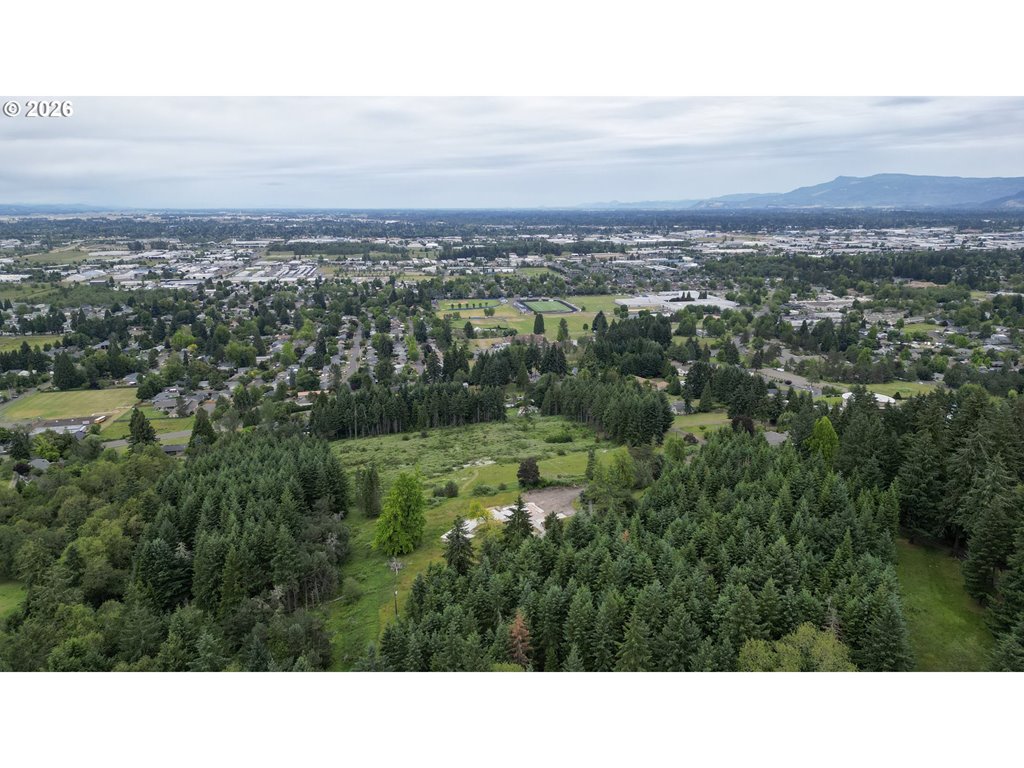

2400 S Louis Ln
Eugene, OR 97405
$8,250,000
Beds — · Eugene
Courtesy of Jordan Lundstrom and Michael McKillion, Keller Williams Sunset Corridor · 503-701-8179 · RMLS · Oct 31, 2026, 7:12 AM
Listed by
Jordan Lundstrom and Michael McKillion
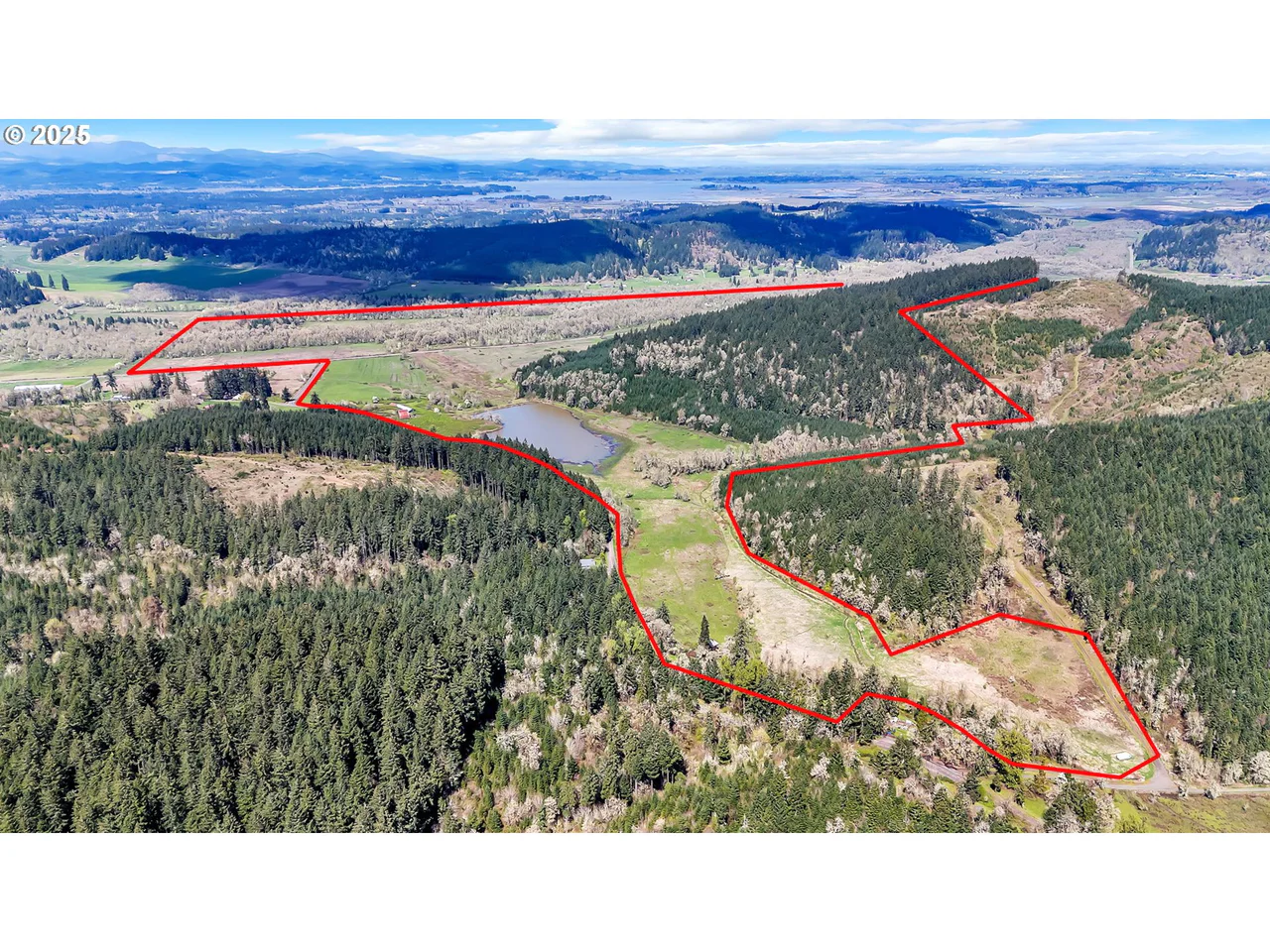
26900 Crow Rd
Eugene, OR 97402
$4,600,000
Beds — · Eugene
Courtesy of Kyla Egge, Triple Oaks Realty LLC · 541-913-0072 · RMLS · Oct 31, 2026, 7:12 AM
Listed by
Kyla Egge
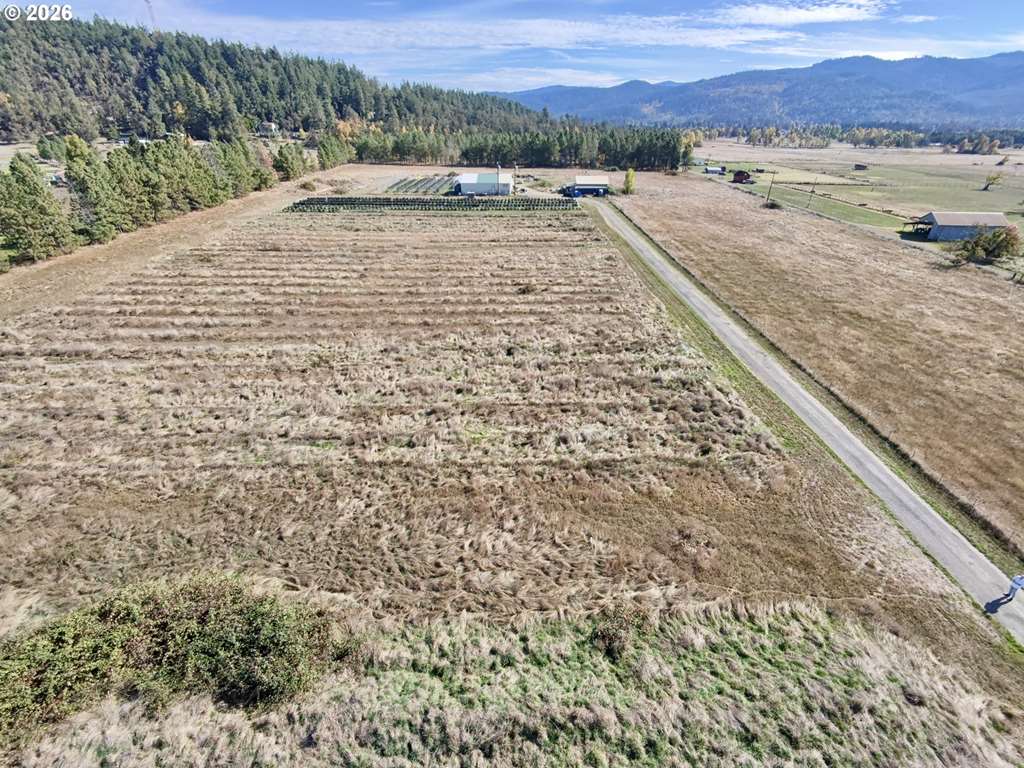
82447 Butte Rd
Creswell, OR 97426
$1,170,000
Beds — · Creswell
Courtesy of Brent Cole, Triple Oaks Realty LLC · 541-556-5093 · RMLS · Oct 31, 2026, 7:12 AM
Listed by
Brent Cole
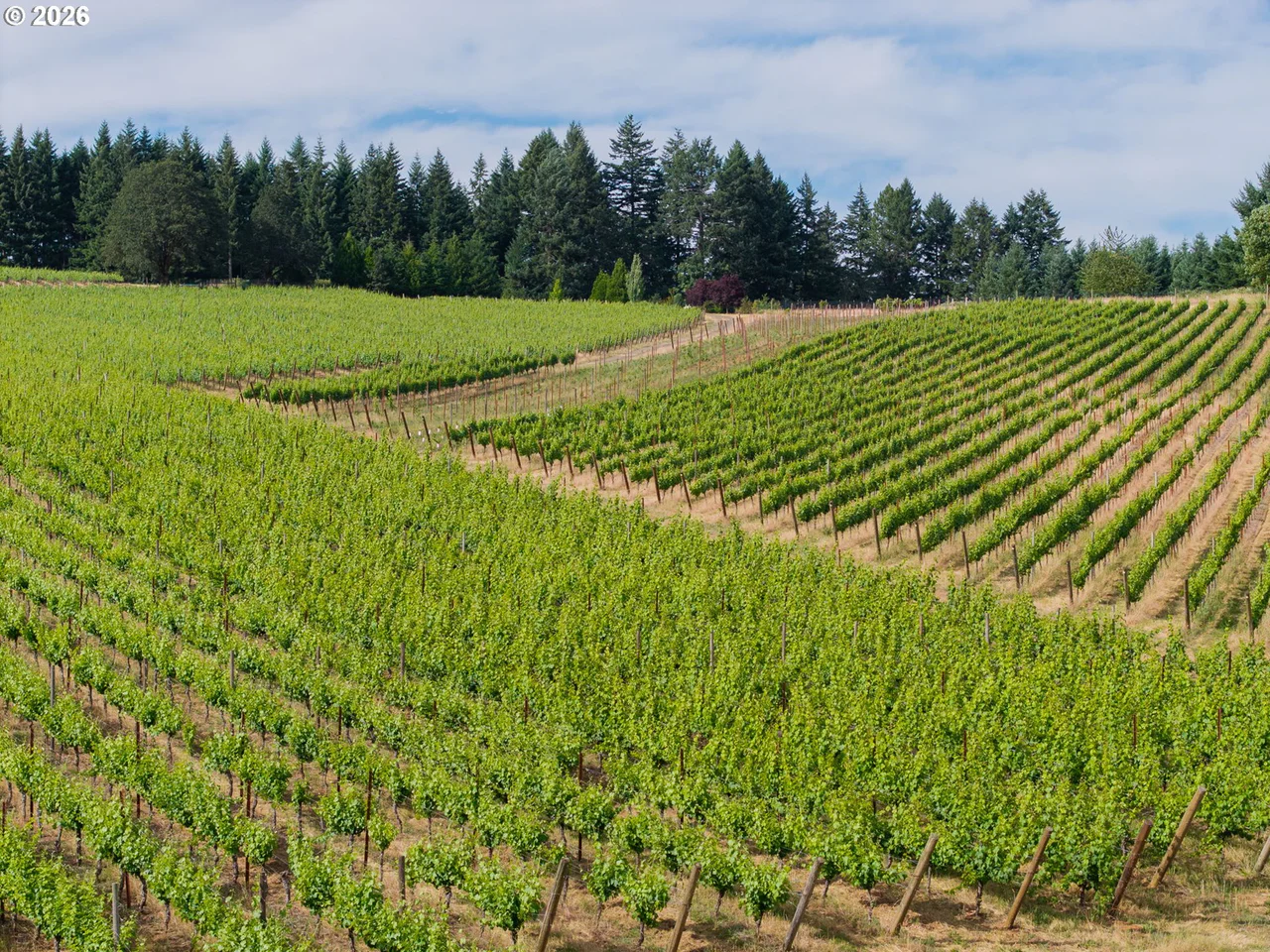
25219 High Pass Rd
Junction City, OR 97448
$1,150,000
Beds — · JunctionCity
Courtesy of Lorrie Normann, Triple Oaks Realty LLC · 541-556-8127 · RMLS · Oct 31, 2026, 7:12 AM
Listed by
Lorrie Normann
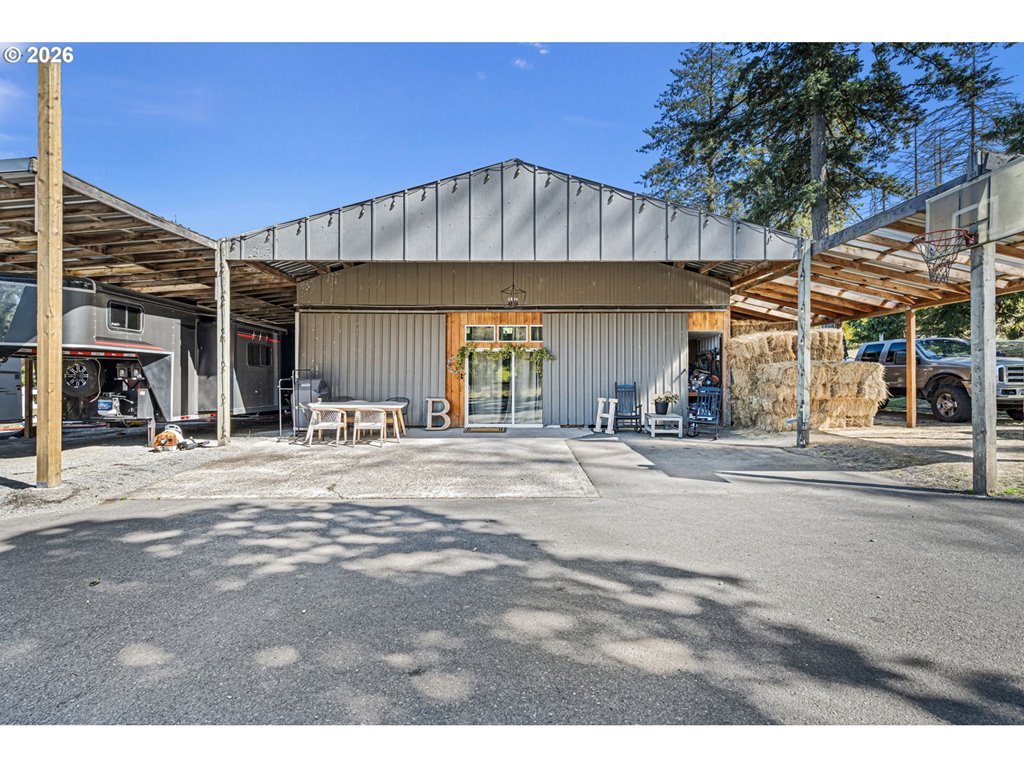
0 Matthews Rd
Eugene, OR 97405
$425,000
Beds — · Eugene
Courtesy of Shane Mast and Annesha Montez, Oregon Life Homes · 541-517-1749 · RMLS · Oct 31, 2026, 7:12 AM
Listed by
Shane Mast and Annesha Montez
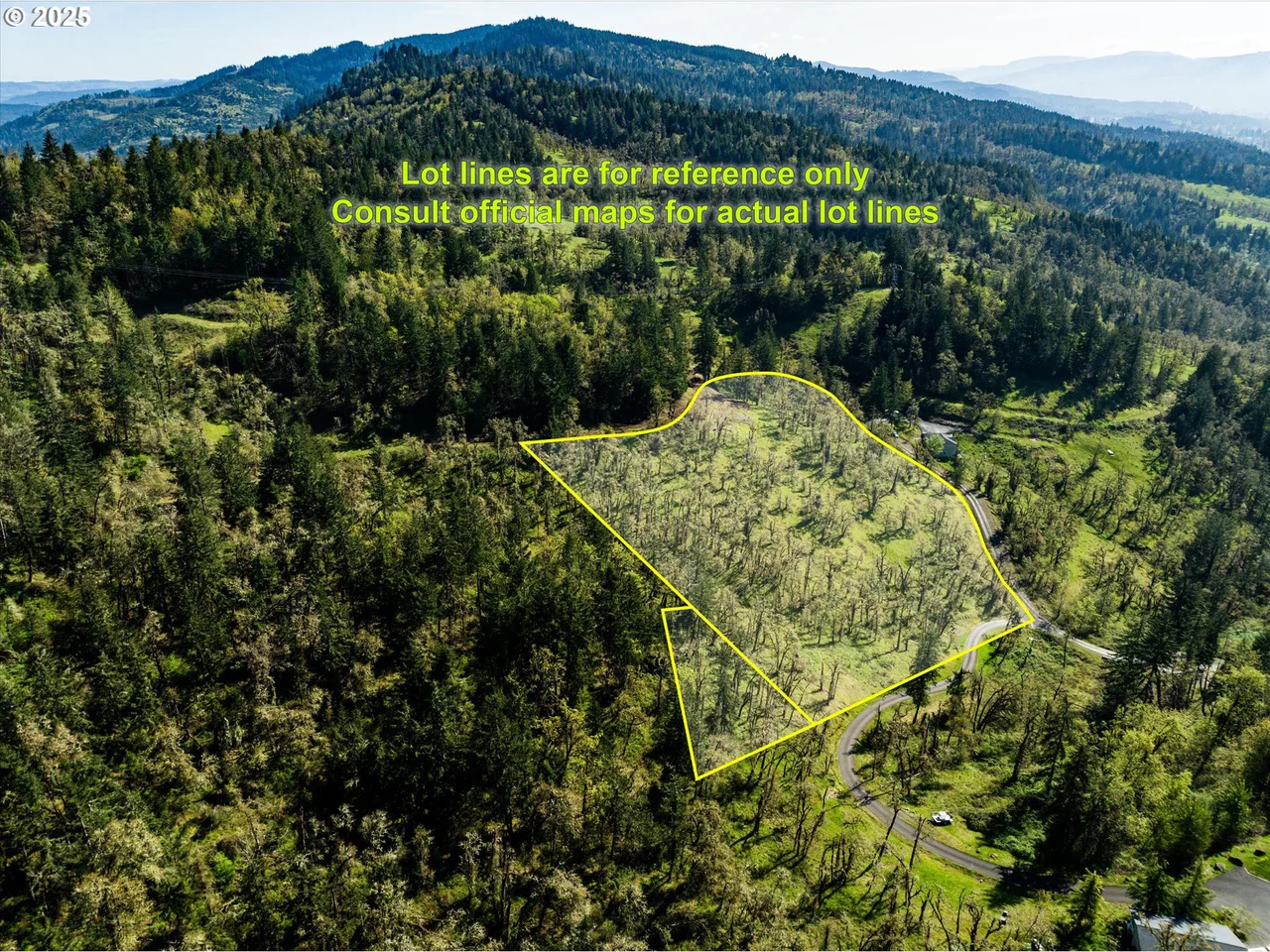
Oakshire DR Unit 11
Springfield, OR 97478
$350,000
Beds — · Springfield
Courtesy of Angela Burrell, Triple Oaks Realty LLC · 541-517-4038 · RMLS · Oct 31, 2026, 7:12 AM
Listed by
Angela Burrell
Questions about buying land near Eugene
Can I build a house on any vacant parcel in Lane County?+
No. Verify legal parcel status, zoning, dwelling eligibility, site constraints, access, water, and wastewater requirements for the exact project. Obtain the relevant approvals rather than relying on acreage or a listing's description alone.
Is buying vacant land different from buying a home on acreage?+
Yes. Vacant-land buyers need to establish whether the intended development is feasible and what it will cost. An existing home has different inspection and ownership questions, although proposed changes to that property still require review.
What does it mean when a listing says utilities are available?+
Ask which services are meant, where they are located, and what is required to connect the proposed development. Confirm capacity, connection charges, and any extension work with the providers. The phrase alone does not establish a finished project budget.
Can I put a manufactured home on the land?+
That depends on the property, applicable land-use and building requirements, and any private restrictions. Ask about the specific home and installation plan before buying. A manufactured home does not bypass the need to establish an approved homesite and services.
What should I bring to a land-search consultation?+
Bring your total project budget, preferred area, intended use, and expected timing. If you have a parcel in mind, include the address or tax-lot identification and any available reports or approvals. That makes it easier to identify the questions that need answers first.