

The answer
Start by describing what you want to do on the property: keep your own horses, grow food, manage pasture, or operate a business. Those uses can have different requirements. A home with a barn may suit one plan and require substantial changes for another.
Compare properties by how you will use them
| Your priority | What to examine during the visit | What to verify in the records |
|---|---|---|
| Keeping horses | Turnout, footing, fencing, shelter, feed storage, and trailer access | Applicable use restrictions and the status of existing structures |
| Gardening or small-scale growing | Sun, slope, soils, drainage, and workable growing area | Water supply and authorization for the intended water use |
| Pasture or livestock | Usable acreage, fencing, seasonal conditions, and handling areas | Zoning, relevant approvals, and any restrictions |
| Home with a shop or barn | Building condition, access, power, and practical layout | Permits and approved use; whether proposed changes need review |
| Primarily a home with more space | The house, privacy, utilities, and maintenance | Parcel boundaries, easements, septic, and other property records |
If you mainly want a residence on a larger lot, the Lane County acreage guide may be the better starting point. If you want to build from the beginning, use the land-for-sale guide.
Look at usable ground and wet-season conditions
Total acreage does not tell you how much land is level, accessible, fenced, or suitable for your plans. Walk the property where access is permitted and compare the apparent boundaries with the available survey and title information.
For horses, evaluate turnout areas, footing, shelter, and how you would move animals, feed, and equipment through an ordinary day. Consider manure handling, feed storage, fence maintenance, and the space needed to turn and park a trailer.
Ask about drainage and seasonal use. A pasture that looks appealing in summer may require a different management plan in wet weather. Arrange advice from an appropriate equine or agricultural professional if you need help judging the land's capacity and required improvements.
Avoid choosing a stocking level from a simple acres-per-animal rule. The condition of the ground, management plan, feed, and facilities all matter.
Separate water quality, supply, and water rights
These are different questions. A well can serve the house without establishing adequate supply for your other plans. A water-quality report does not measure sustained yield, and a productive well does not establish authorization for every use.
Oregon requires specified domestic-well testing in real estate transactions, including arsenic, nitrate, and total coliform bacteria. Review the Oregon Health Authority's well-testing requirements and obtain the relevant results and records.
For irrigation or other agricultural needs, confirm the applicable water right or exemption and its limits with the Oregon Water Resources Department. Its water-rights guidance is a starting point. The presence of a creek, pond, or well should not be treated as unrestricted permission to use that water.
Review the house, septic system, and outbuildings
Inspect the residence and evaluate its systems as carefully as you would any other home. Request available septic permits, maintenance records, and information about the system's location and capacity. Identify where the tank, drainfield, and any designated replacement area sit relative to planned improvements.
Lane County provides septic permitting information. A proposed addition or change in use may require further review; do not assume an existing system can accommodate it.
For barns and shops, investigate condition, wiring, structural changes, and permit history. An agricultural building designation does not establish that a structure can be used as a dwelling, rental unit, event venue, or boarding operation. Describe the proposed use to the relevant permitting office before relying on it in the purchase decision.
Confirm access and the responsibilities that come with it
Review legal access through the title documents and any recorded easements. If the property uses a shared or private road, ask about maintenance arrangements, costs, and who is responsible for repairs.
Also check the physical approach: width, grade, gates, bridges, and turning space. Consider the vehicles you will actually use, including feed deliveries, trailers, and service trucks. Confirm utilities, communications service, and insurance for the specific property.
If you are exploring the area north of Eugene, compare our Coburg Hills guide with available Coburg Hills homes. The location name alone does not establish usable pasture or horse facilities.
Ask about special assessment before changing the use
A property's current tax bill may reflect a farm or forest special-assessment program. Confirm the program, its continuing requirements, and the consequences of your proposed use with the assessor.
Lane County explains that specially assessed land can carry a potential additional tax liability and that disqualification can result in additional taxes. Review the county's special-assessment overview and ask about the particular parcel. Ownership of acreage does not automatically establish eligibility.
Describe the property you need
Tell Jon Burke or Cheyenne Black about the residence, animals, acreage, and facilities you want. Team Burke's focus here is residential property with land and related uses. If your plans center on a commercial agricultural or timber operation, describe that scope at the outset so the right expertise can be identified.
Discuss a Lane County property search. For rental-oriented goals, see the separate investment-property guide.
Explore properties for sale
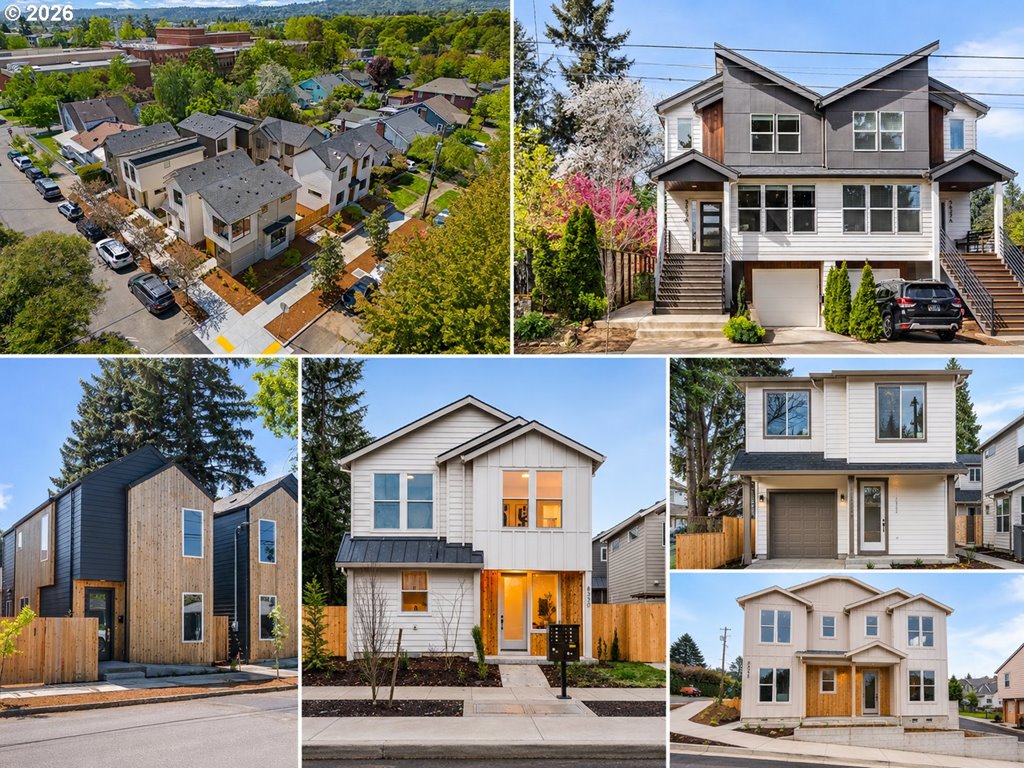

7560 N Emerald AVE
Portland, OR 97217
$64,000,000
Beds — · 170,005 sf · Portland
Courtesy of Darryl Bodle and Kelly Christian, Keller Williams Realty Portland Premiere · 503-709-4632 · RMLS · Nov 15, 2026, 8:17 AM
Listed by
Darryl Bodle and Kelly Christian
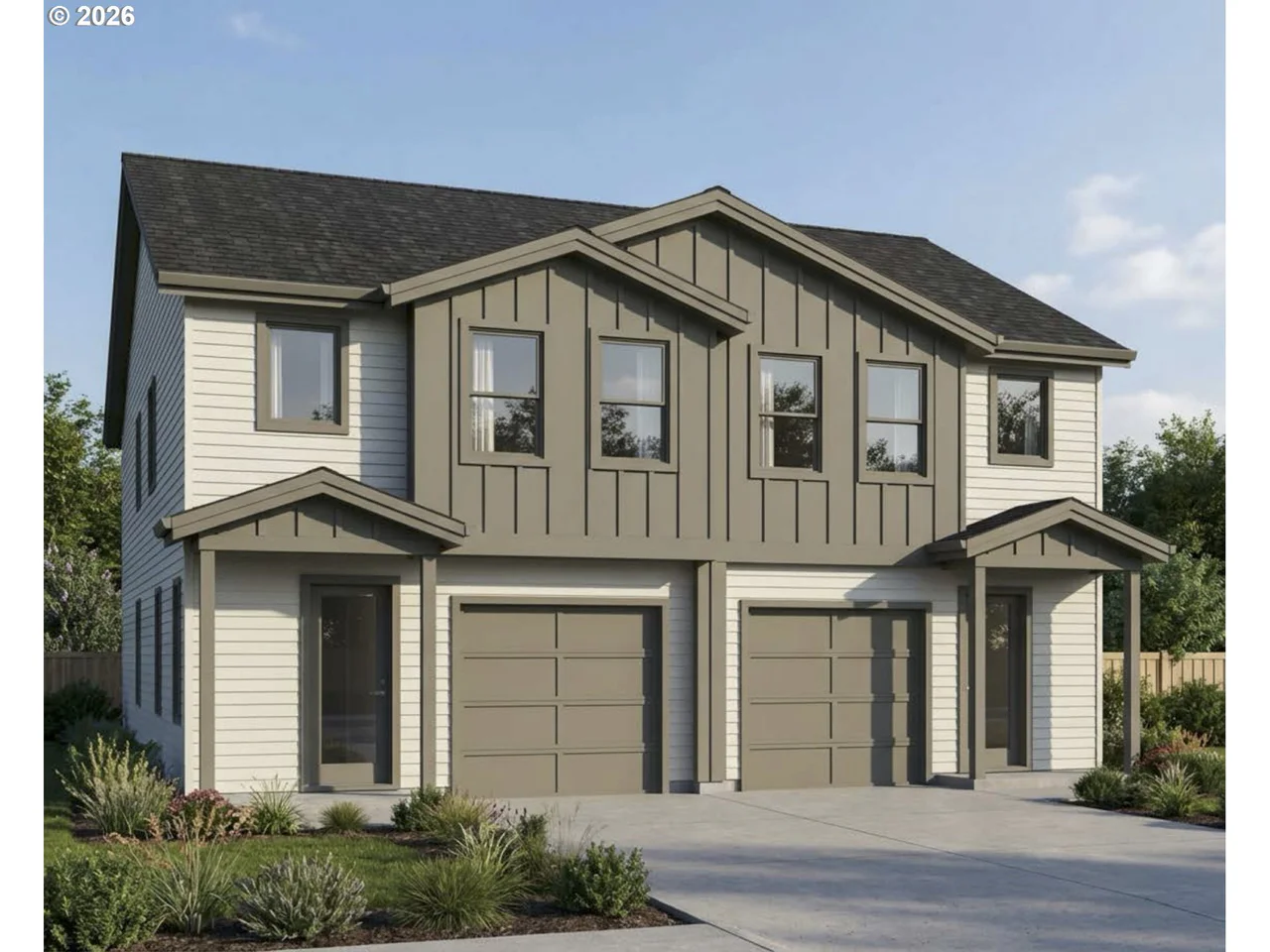
5141 SE Aldona CT
Milwaukie, OR 97267
$13,774,900
Beds — · 46,391 sf · Milwaukie
Courtesy of Darryl Bodle and Kelly Christian, Keller Williams Realty Portland Premiere · 503-709-4632 · RMLS · Nov 15, 2026, 8:17 AM
Listed by
Darryl Bodle and Kelly Christian
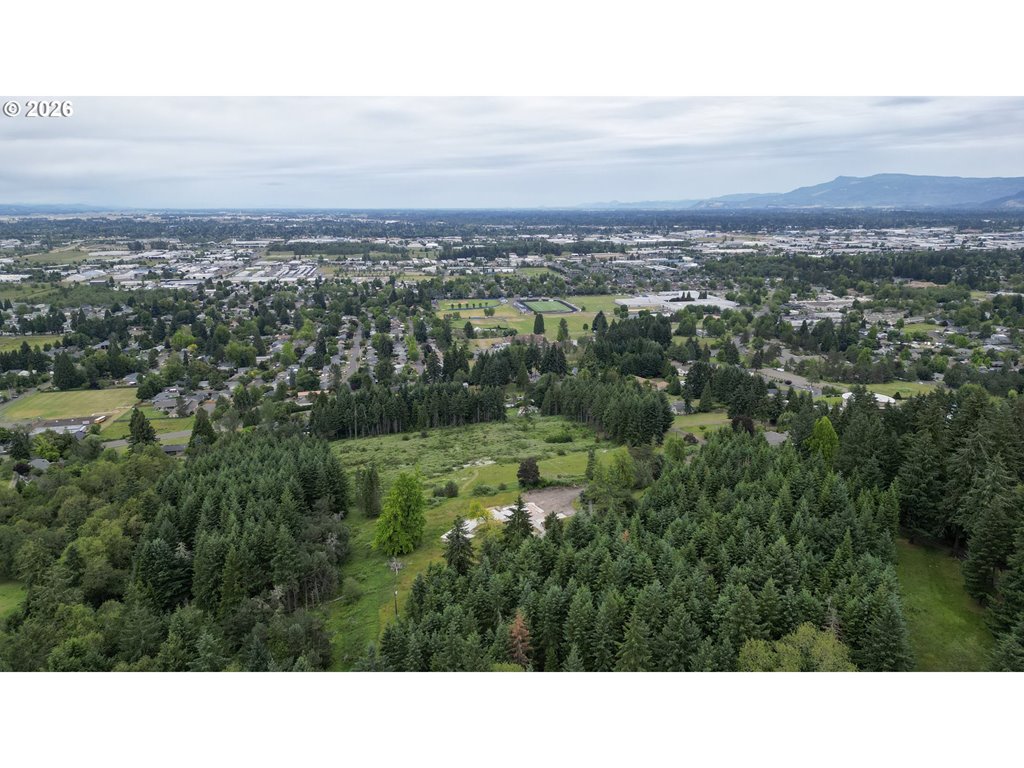
2400 S Louis Ln
Eugene, OR 97405
$8,250,000
Beds — · Eugene
Courtesy of Jordan Lundstrom and Michael McKillion, Keller Williams Sunset Corridor · 503-701-8179 · RMLS · Nov 15, 2026, 8:17 AM
Listed by
Jordan Lundstrom and Michael McKillion
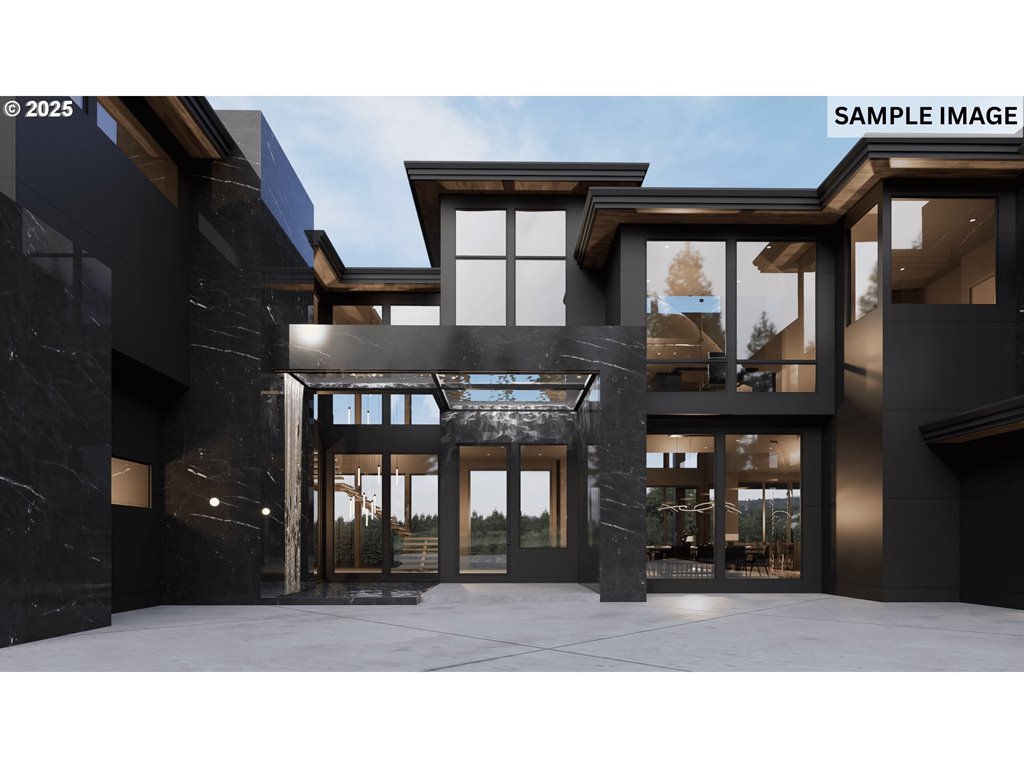
29951 SW Old Well Rd
West Linn, OR 97068
$7,500,000
4 bd · 4.2 ba · 7,685 sf · WestLinn
Courtesy of Lulu Zhang, MORE Realty · 503-803-7171 · RMLS · Nov 15, 2026, 8:17 AM
Listed by
Lulu Zhang
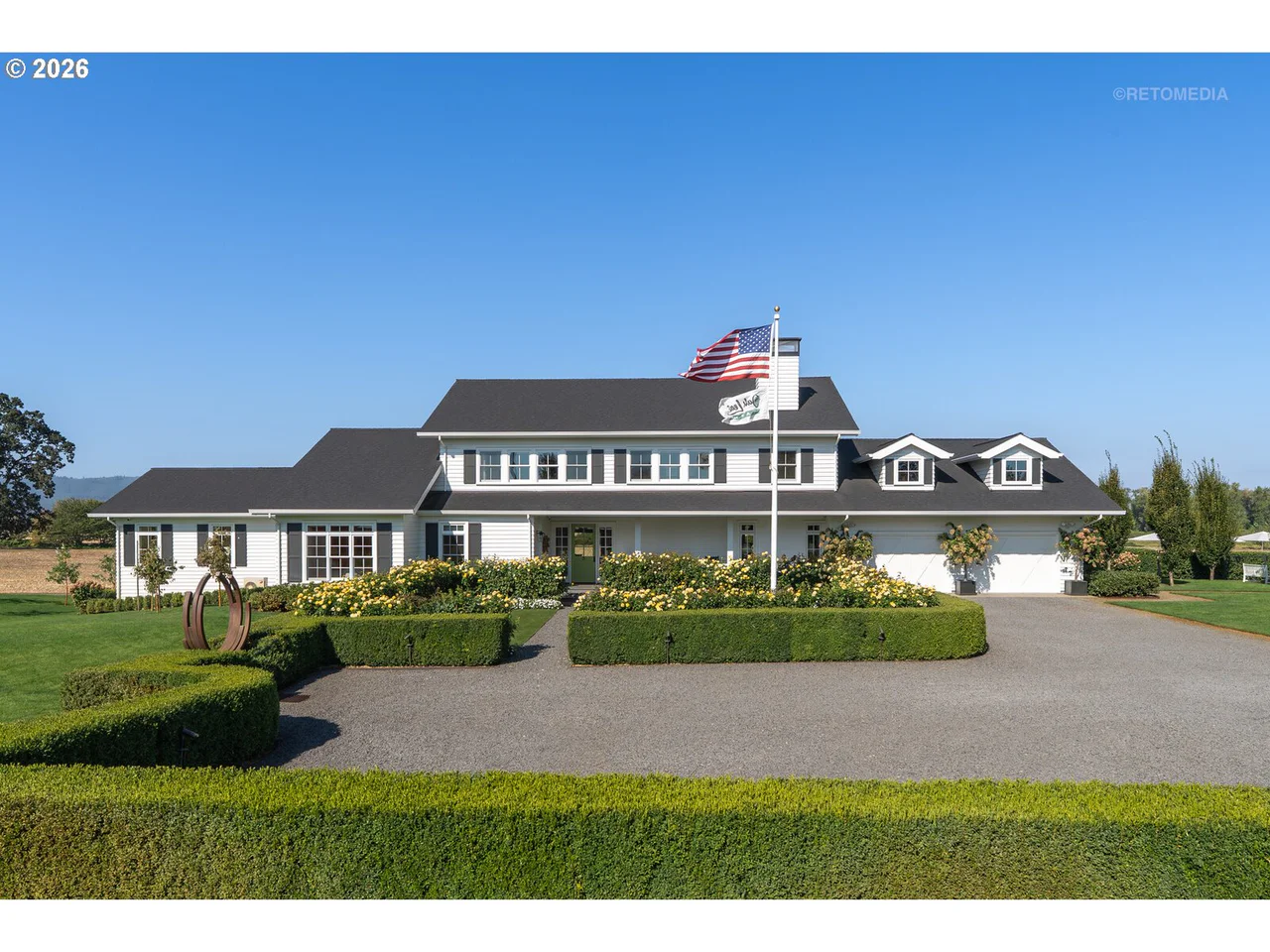
22141 NW Reeder Rd
Portland, OR 97231
$6,250,000
4 bd · 3.4 ba · 4,994 sf · Portland
Courtesy of Matt Mahaffy and Sue Hill-Sullivan, Windermere Realty Trust · 503-936-3511 · RMLS · Nov 15, 2026, 8:17 AM
Listed by
Matt Mahaffy and Sue Hill-Sullivan
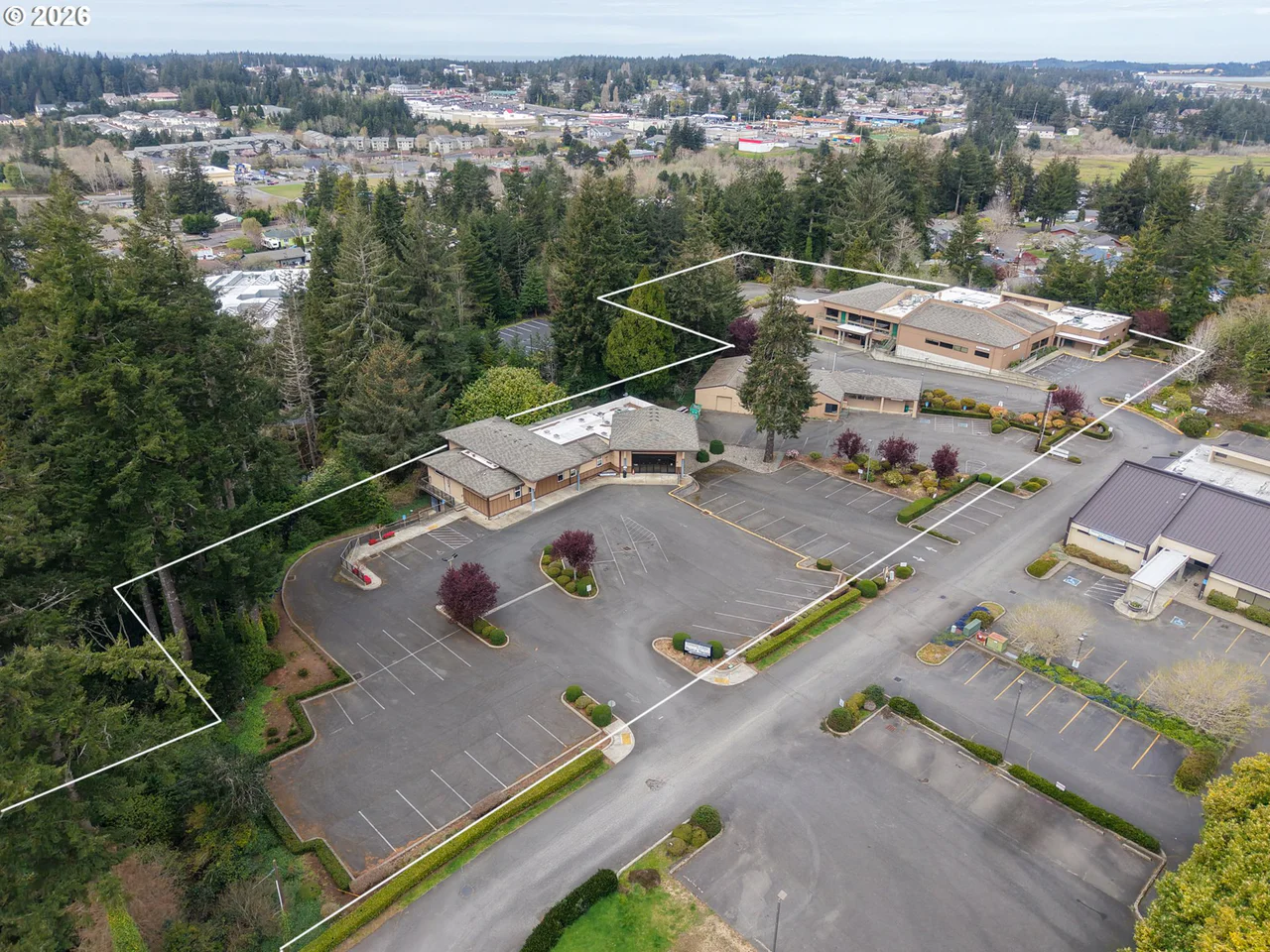
2699 N 17th St
Coos Bay, OR 97420
$6,000,000
Beds — · 29,011 sf · CoosBay
Courtesy of Joseph Aguirre, Pacific Coast Real Estate & Development, LLC · 541-808-3297 · RMLS · Nov 15, 2026, 8:17 AM
Listed by
Joseph Aguirre
Questions about Lane County horse property and farms
How much acreage do I need for horses?+
There is no single acreage number that establishes suitability. Consider usable land, drainage, turnout, feed, shelter, and management. Check the applicable restrictions and ask a qualified equine or agricultural adviser to assess the property for your plans.
Does a barn mean I can keep horses or run a boarding business?+
No. The structure and the proposed use need separate review. Confirm zoning, permit records, private restrictions, and any approvals required for the activity. Personal animal keeping and a commercial operation may involve different requirements.
Does owning land beside a creek give me irrigation rights?+
Do not assume that it does. Verify any water right or applicable exemption, the authorized use, and its limits with the Oregon Water Resources Department. Water access and legal authorization are separate issues.
What should I check about a rural well and septic system?+
Review well records, required water-quality results, and appropriate supply testing, along with septic permits, maintenance, condition, and capacity. Evaluate the systems against how you plan to use the property rather than relying only on their current operation.
Will a farm property automatically have lower property taxes?+
No. Special assessment depends on the applicable program and its requirements. Ask the assessor about the parcel's status, ongoing obligations, and potential additional taxes if the property no longer qualifies.