

The answer
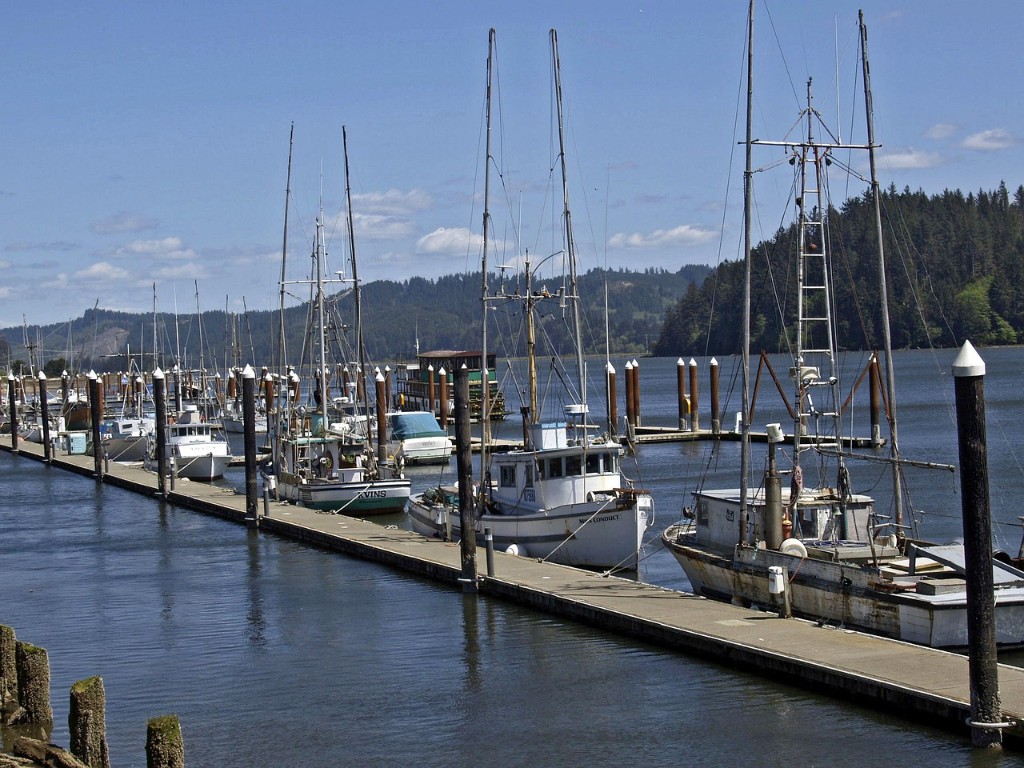
A water view, direct frontage, shared access, and a nearby public launch are different features. Confirm which one a listing offers before planning around a dock, beach, or a place to launch your boat.
Compare the water setting
| Setting | Areas to investigate | Questions to ask about the property |
|---|---|---|
| River | McKenzie and Willamette corridors | Where is the boundary, how do you reach the water, and what is the bank's condition? |
| Coastal lake | Woahink, Siltcoos, Mercer, and other Florence-area lakes | Is access private, shared, or public, and what documentation covers any dock? |
| Reservoir | Fern Ridge and surrounding areas | How do changing water levels, shoreline ownership, and available launches affect your plans? |
| Coastal or ocean-view | Florence and nearby coastal locations | Is the property oceanfront, does it have a view, and what route provides beach access? |
Use the Florence guide for coastal and lake-area orientation, and the Veneta and Fern Ridge guide for the reservoir area. If you also want substantial land, read the Lane County acreage guide.
Start with the access you will use
If boating is the priority, establish where you would launch, keep, and retrieve the boat. Check the route from the house to the water, including stairs, slope, gates, and any shared facilities. A view across a road may offer a different experience from direct access through the parcel.
Ask for the documents supporting an advertised access right or dock arrangement. Clarify ownership, maintenance responsibilities, fees, and whether the arrangement continues after a sale. A visible path or existing dock does not answer those questions by itself.
Fern Ridge is a managed reservoir. Review the U.S. Army Corps of Engineers' project information and current recreation conditions when evaluating how you would use the water. Do not assume that a summer photograph represents year-round water levels or access.
Review flood information and insurance early
Look up the address through the FEMA Flood Map Service Center, then discuss the property with the local floodplain office and your insurance professional. Review available elevation and flood-history information where relevant.
Mapped flood zones are one part of the review. Also consider drainage, access roads, the position of structures, and information about prior water intrusion. An address outside a mapped high-risk area should not be treated as a guarantee against flooding.
Oregon's Division of Financial Regulation explains that most homeowners policies do not cover flood damage. Obtain quotes and clarify coverage, exclusions, deductibles, and any lender requirements before relying on an ownership budget.
For a coastal property, also review DOGAMI's tsunami evacuation maps for the actual location and learn the relevant evacuation route.
Inspect the bank, dock, and proposed improvements
Investigate retaining structures, visible erosion, drainage outlets, stairs, decks, and the condition of any dock. Ask a suitable specialist to assess concerns that are outside a general home inspection.
If you intend to add a dock, alter a bank, clear vegetation, or move material near the water, ask the responsible authorities what is allowed. The Oregon Department of State Lands explains waterway use authorizations and removal-fill requirements. Local and federal requirements may also apply.
Review existing approvals and any transfer or renewal obligations. Ownership next to the water does not provide unrestricted permission to change the shoreline.
Give the house the same attention as the view
Inspect the roof, siding, windows, foundation, heating systems, and evidence of moisture. Establish the water source and wastewater system, and review their location and condition in relation to the site.
Think about the outdoor spaces you would use in different weather. Consider the work involved in maintaining decks, landscaping, access paths, and other features. Ask an insurer about the intended use if the property will be a second home or rental.
Choose a property whose ordinary upkeep fits your plans. The setting is a major part of the appeal, but the house, access, and maintenance budget still need to work for you.
Describe the waterfront setting you want
Tell Cheyenne Black whether your priority is a river, lake, coastal setting, or simply a water view. Include how you hope to use the water and the maintenance you are comfortable taking on. For Florence-area options, Melissa Stiltner is another local contact.
Questions about waterfront homes
Are there waterfront homes near Eugene?+
Investigate current properties in the river corridors and nearby lake or reservoir areas. Confirm the specific listing's frontage and access. A property marketed as near the water may rely on a public park or launch rather than access through the parcel.
Is a water-view home the same as waterfront?+
No. A view describes what you can see. Waterfront generally describes a relationship to the shoreline, while access depends on the property and its documented rights. Verify the boundary and route to the water separately.
Does an existing dock come with the property?+
Do not assume it does without reviewing the documents. Confirm ownership, authorization, condition, maintenance, and whether any agreement or permit must be transferred or renewed. Have those details addressed before relying on the dock as part of the purchase.
Do all waterfront homes require flood insurance?+
Requirements depend on the property, mapping, financing, and lender. Ask the lender and insurer about the exact address. Even when coverage is not required by the loan, you can discuss the risk and available options with an insurance professional.
Can I build a dock or improve the shoreline after buying?+
That depends on the site and proposed work. Review local, state, and any federal requirements before committing to the project. The presence of other docks or shoreline improvements nearby does not establish permission for yours.