

The answer
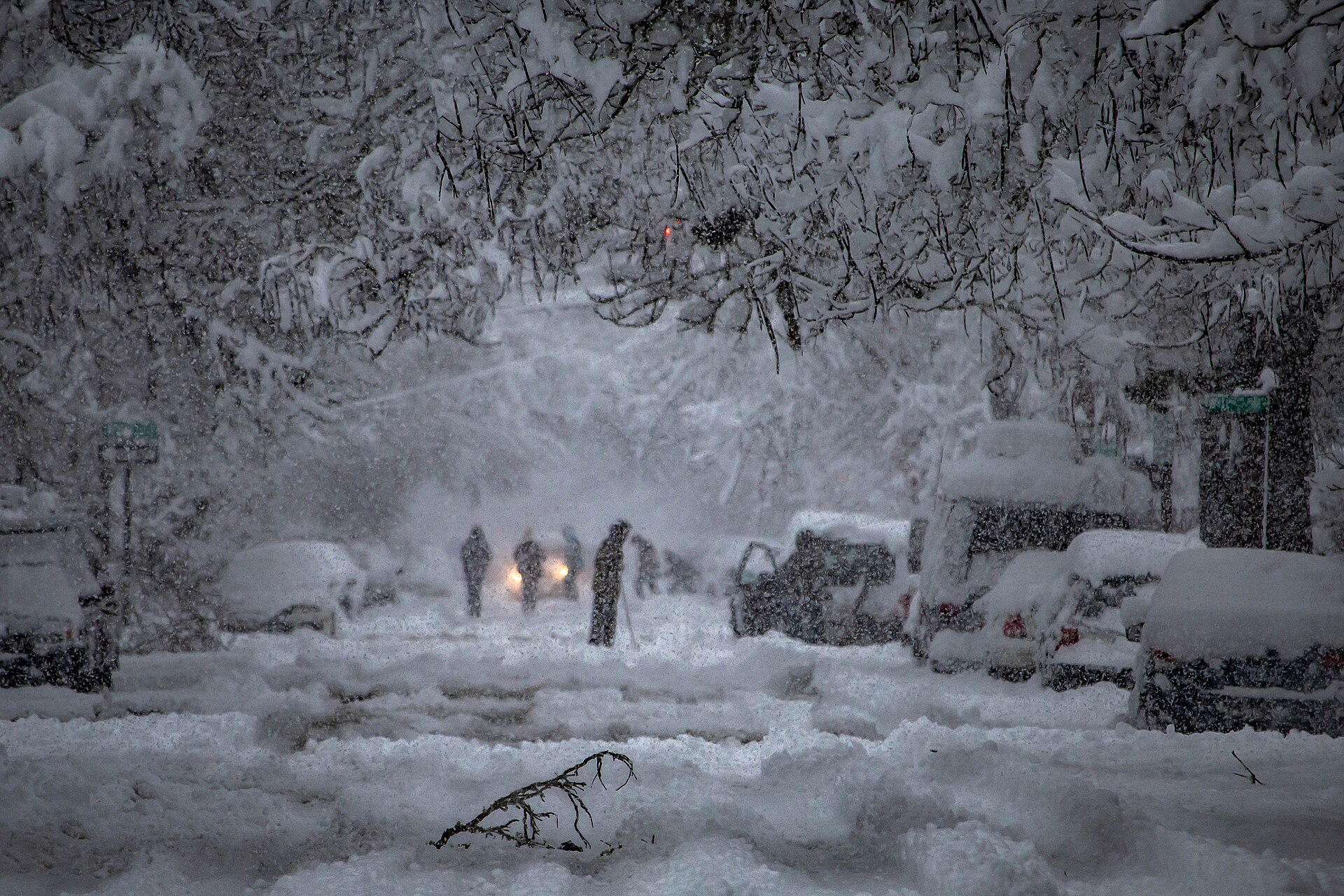
Yes—occasional snow, not a long snowy season like mountain towns. Rain is more typical in winter. Snowfall varies by elevation; ice and freezing rain can matter as much as depth, including on flatter streets. The National Weather Service's Eugene Climate Book lists a historical annual snowfall normal of 6.1 inches (1961–1990)—a baseline, not a forecast.
On the map
Eugene, Oregon — valley-floor snow is occasional; hills and ice can change the trip
Satellite · Mapbox
How much snow does Eugene get?
The National Weather Service's Eugene Climate Book lists a historical annual snowfall normal of 6.1 inches using the 1961–1990 period. It explains that more recent snowfall observations contain gaps, so that older baseline should not be presented as a modern, complete station average.
The NWS snowfall record is more useful for understanding variability than for predicting a particular winter. Individual seasons can differ greatly from an average. For an upcoming trip or storm, use the current National Weather Service forecast.
- NWS snowfall record: Historical snowfall normals and notes (PDF)
- Current forecast: National Weather Service Portland forecast office
- ODOT TripCheck: Statewide road conditions and cameras
- City ice & snow routes: Eugene emergency ice and snow route map
Does it rain a lot in Eugene? · Is Eugene a good place to live? · Does Oregon have sales tax? · South Hills homes
Valley floor, hills, and mountain roads
The NWS climate summary discusses the greater likelihood of snow on higher terrain, including the South Hills and Coburg Hills. That is regional context, not a forecast for every address in those areas.
What changes with location
| Where you are going | What to consider |
|---|---|
| Central Eugene and other valley locations | Snow may be occasional, but freezing conditions can still affect streets and sidewalks |
| Higher terrain and sloped residential streets | Elevation, grade, shade, and access can change the trip |
| A home with a steep or shaded driveway | The final stretch may differ from the main road used to reach it |
| Cascade destinations | Mountain conditions require a separate road and weather check |
The National Weather Service's Eugene Climate Book lists a historical annual snowfall normal of 6.1 inches using the 1961–1990 period. It explains that more recent snowfall observations contain gaps, so that older baseline should not be presented as a modern, complete station average. Record: NWS snowfall. Regional context: NWS climate summary. For an upcoming trip or storm, use the current National Weather Service forecast.
Ice can matter as much as snow
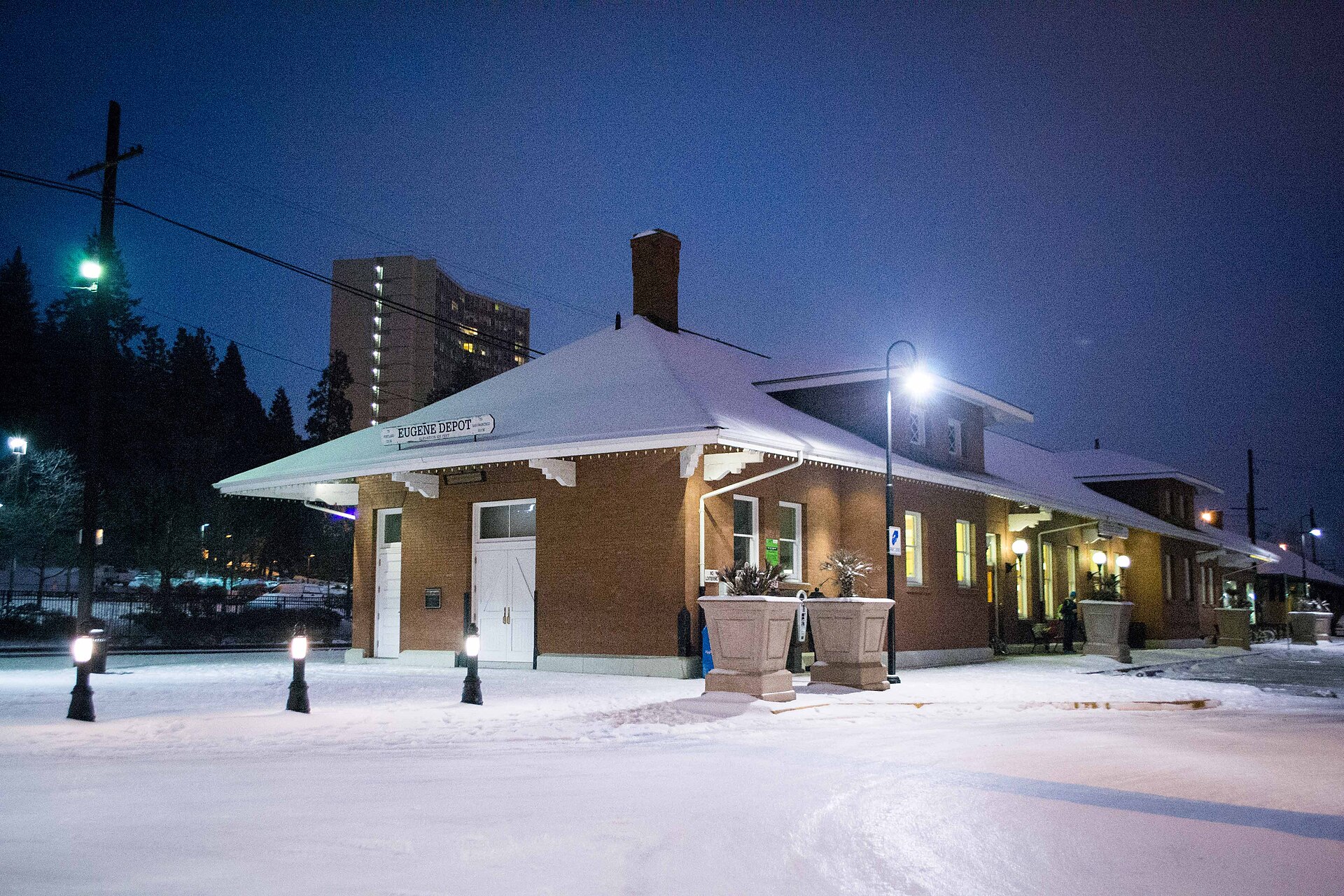
Freezing rain can affect travel even when there is little snow on the ground. A street looking clear in one location does not establish the condition of the rest of the route.
When a storm is forecast, plan around the official advisories and your transportation options. If you can change the timing of a trip, doing so may be more practical than relying on a normal-weather travel estimate. Check school, employer, and transit notices for the arrangements that apply to you.
Does Eugene plow the roads?
The city has an ice and snow response plan that prioritizes designated routes. It does not mean every residential street receives the same treatment at the same time.
Use the city's storm-response information and emergency route map for local planning. Roads outside the city's responsibility may be managed by another agency. For state highways and regional travel, check ODOT TripCheck.
An official road update is more useful during a storm than a general statement about a neighborhood's winter weather.
What should a homebuyer look at?
Consider the whole route to the property, including the last few blocks, driveway, parking, and entrance. Ask about grade, shade, who maintains the road, and any private access or maintenance arrangements.
If you need dependable access for work or other obligations, discuss how you would handle a weather disruption. A home's floor plan and its outdoor access are separate features: a single-level house can still have a steep driveway.
There is no need to drive a hazardous route to evaluate a home. Review the setting, records, and maintenance arrangements, visit when conditions permit, and use inspections for property-specific questions.
Where can you go skiing from Eugene?
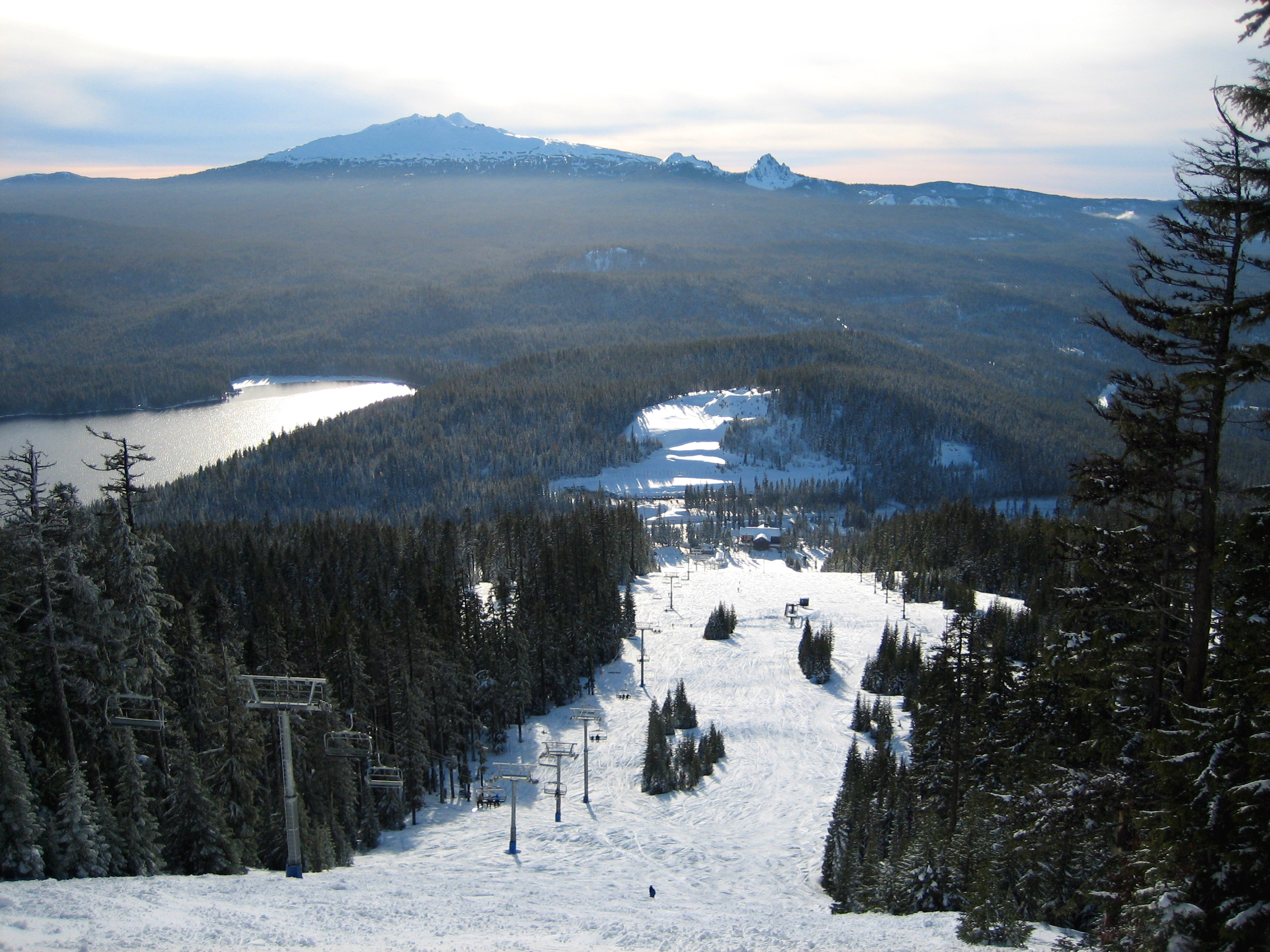
Willamette Pass, reached via Highway 58, is one option for a winter day trip. A mountain outing has different weather and road considerations from spending the day in Eugene.
Check the resort's operating information, the forecast, and TripCheck before leaving. Allow for conditions along the route instead of planning from a summer drive time.
Compare homes and everyday access
Explore single-level homes if that floor plan matters to you, or contact Team Burke to discuss access, location, and the other features you need. For the broader move decision, read is Eugene a good place to live? and the Eugene rain guide.
Eugene and Springfield properties
These are current listings in Eugene and Springfield. They are not a set of flat or ice-free properties.
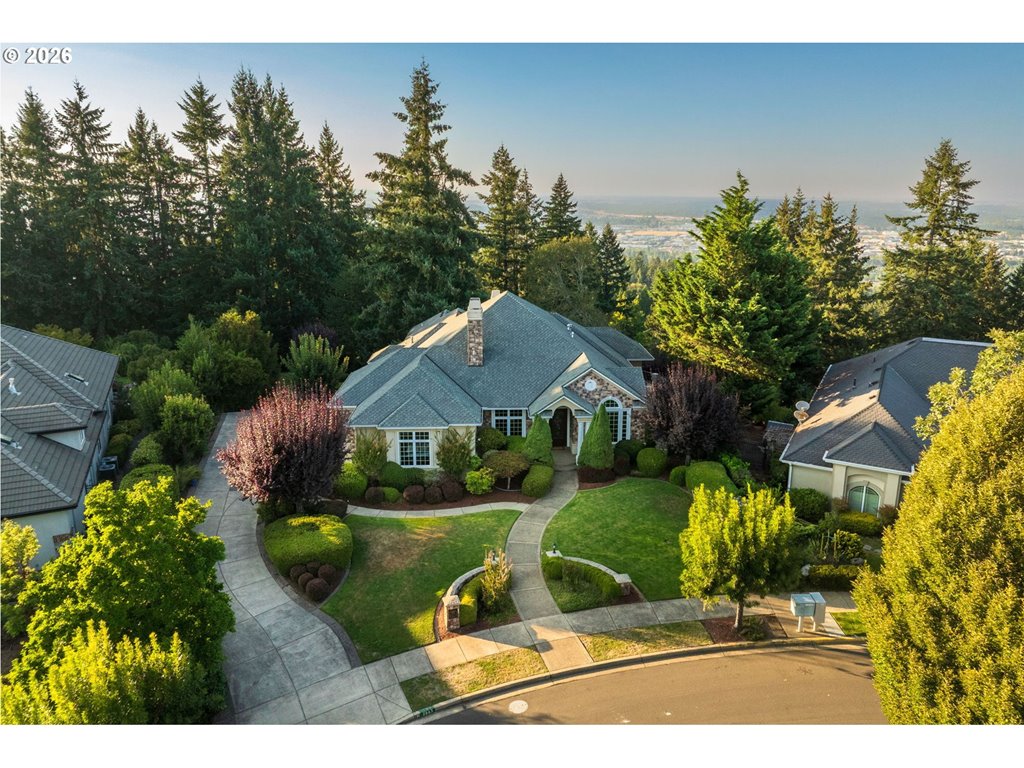

2663 Ridgemont Dr
Eugene, OR 97405
$1,075,000
4 bd · 3.2 ba · 4,084 sf · Eugene
Courtesy of Stephen Bates and Wayne Antone, United Real Estate Properties · simon@urepro.com · RMLS · Nov 5, 2026, 6:58 PM
Listed by
Stephen Bates and Wayne Antone
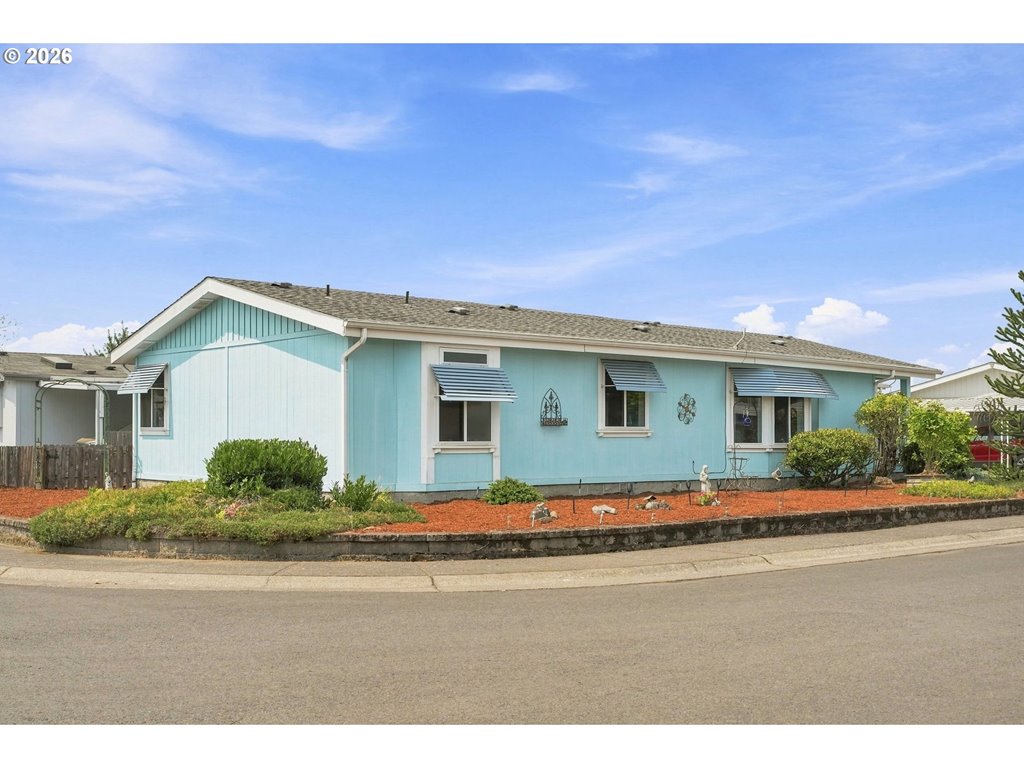
3700 Babcock Ln Unit 51
Eugene, OR 97401
$185,000
3 bd · 2.0 ba · 1,344 sf · Eugene
Courtesy of Keri Warner, Coldwell Banker Professional Group · 541-868-8444 · RMLS · Nov 5, 2026, 6:49 PM
Listed by
Keri Warner
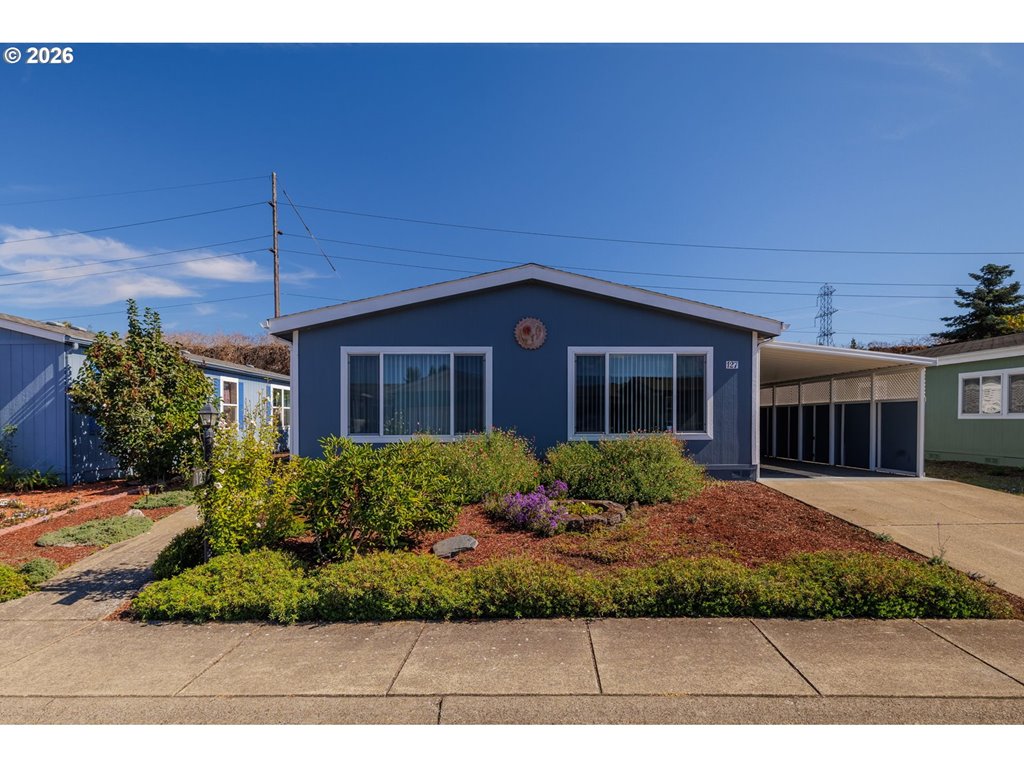
3700 Babcock Ln Unit 127
Eugene, OR 97401
$215,000
2 bd · 2.0 ba · 1,404 sf · Eugene
Courtesy of Keri Warner, Coldwell Banker Professional Group · 541-868-8444 · RMLS · Nov 5, 2026, 6:48 PM
Listed by
Keri Warner
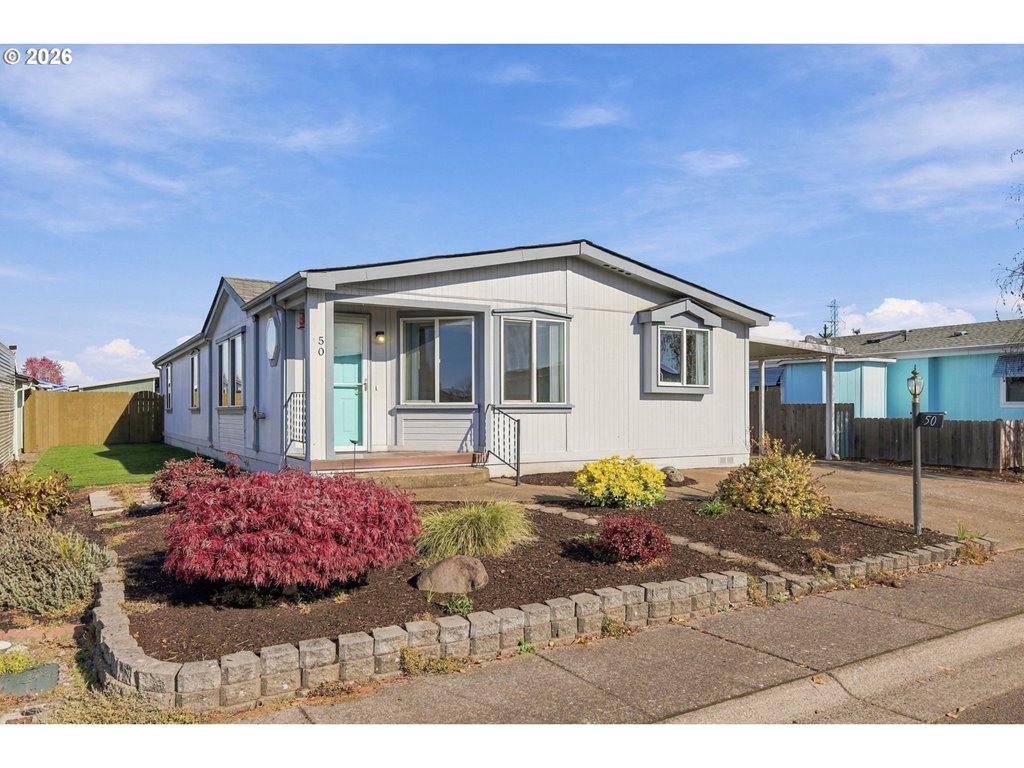
3700 Babcock Ln Unit 50
Eugene, OR 97401
$235,000
3 bd · 2.0 ba · 1,620 sf · Eugene
Courtesy of Amy Jackson, Premiere Property Group LLC · 503-670-9000 · RMLS · Nov 5, 2026, 6:47 PM
Listed by
Amy Jackson
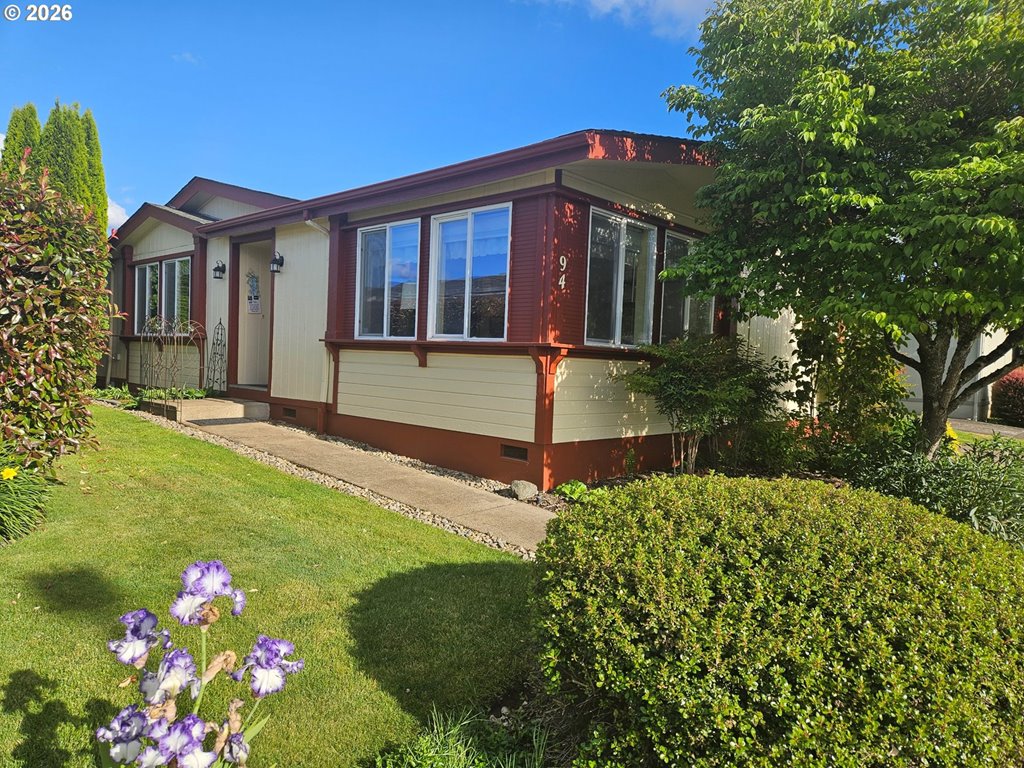
3355 N Delta Hwy Unit 94
Eugene, OR 97408
$229,000
3 bd · 2.0 ba · 1,800 sf · Eugene
Courtesy of Greg Messick, RealtyNET, LLC · 503-300-6330 · RMLS · Nov 5, 2026, 6:26 PM
Listed by
Greg Messick
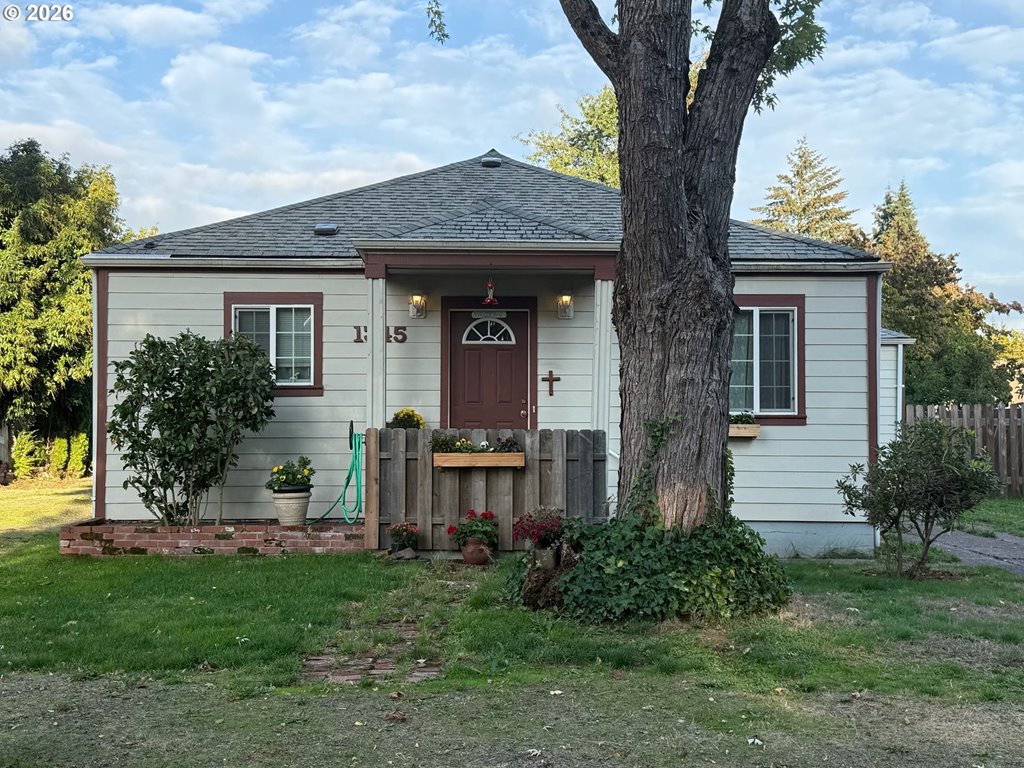
Address withheld · Eugene
$450,000
3 bd · 2.0 ba · 1,348 sf · Eugene
Courtesy of Ruth Kuehl and Loyd Tom Kruse, Eugene Track Town Realtors LLC · 541-359-8045 · RMLS · Nov 5, 2026, 6:18 PM
Street address not published.
Listed by
Ruth Kuehl and Loyd Tom Kruse
Questions about snow in Eugene
Does it snow every winter?+
The amount varies considerably. Some seasons record little measurable snow, while others have significant events. A long-term average is not a promise about the next winter.
Does Eugene Oregon get snow?+
Yes, occasionally. Rain is more common in winter. Use the historical ~6.1-inch annual snowfall normal as context, then check the current forecast and TripCheck when a storm is possible.
Does snow usually stay on the ground for a long time?+
The NWS climate summary describes many lower-elevation snowfalls as short-lived. Colder conditions and larger storms can be different. Use the current forecast for any specific travel decision.
Are South Hills and Coburg Hills snowier than downtown?+
Higher terrain can receive snow when lower areas receive rain, but the outcome depends on the storm. Evaluate the actual elevation and access route rather than treating an entire neighborhood the same way.
Can Cal Young or Santa Clara get icy?+
Yes. Flatter terrain does not prevent freezing rain, ice, or slippery surfaces. Current conditions matter throughout the area.
Is snow the main weather issue when moving to Eugene?+
Snow is one part of the picture. The much more regular wet season is covered in our Eugene rain guide. Consider both the seasonal routine and the occasional weather disruption.